Most knowledge work never finishes. It just stops. The start, ship, close, and sum-up methodology creates deliberate moments that turn continuous work into resolved units.
The hardest part of documentation isn’t writing it. It’s making sure the right people actually see it. You can write brilliant work logs explaining…
The tools you build determine what kinds of thinking become possible. On infrastructure, friction, and building deliberately for thought rather than just throughput.
A junior developer used to wait days for mentor feedback. Now that loop closes in seconds. When feedback is scarce, you batch your questions. When feedback is abundant, learning becomes continuous. AI changes the supply side of learning—most of our systems weren’t designed for this.
I keep noticing people talk about AI like it’s a wave that’s about to hit them. “Will it take my job?” “How do we adopt it fast enough?” “How do we…
A lot of people are treating AI like it’s going to replace “thinking.” It won’t. What it will replace is the comforting illusion that thinking was…
We’ve built work cultures that reward activity, even when nothing actually changes. In technical systems, activity doesn’t count—only state change does. This essay explores why “busy” has become the most misleading signal we have, and how focusing on state instead of motion makes work more honest, less draining, and actually productive.
AI removes the constraints that gave teaching its shape—one teacher, thirty students, limited time. But lifting constraints doesn’t make the work easier. It makes it different. Teachers trained for a bounded classroom now face an unbounded role that requires judgment, discernment, and presence in ways we haven’t yet mapped.
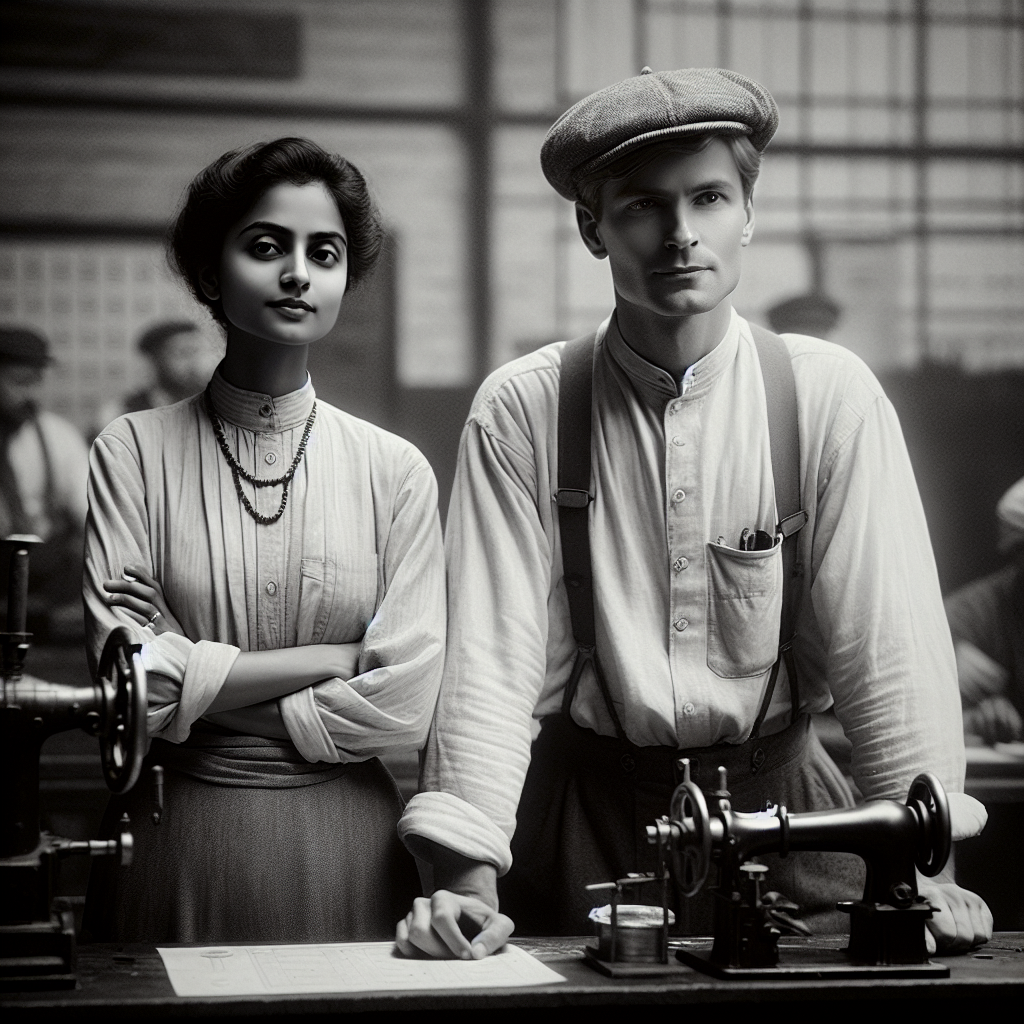
Throughout history, some jobs get moral protection while others are just casualties of progress. The pattern reveals that job protection isn’t about the work itself—it’s about class, power, and who gets to write the story.
Writing began as bureaucracy and remains system-interface work. The panic over AI-generated text isn’t about protecting human creativity—it’s about a professional class defending its monopoly on the written word.