Revolutionizing legal practices: The impact of generative AI on the legal industry
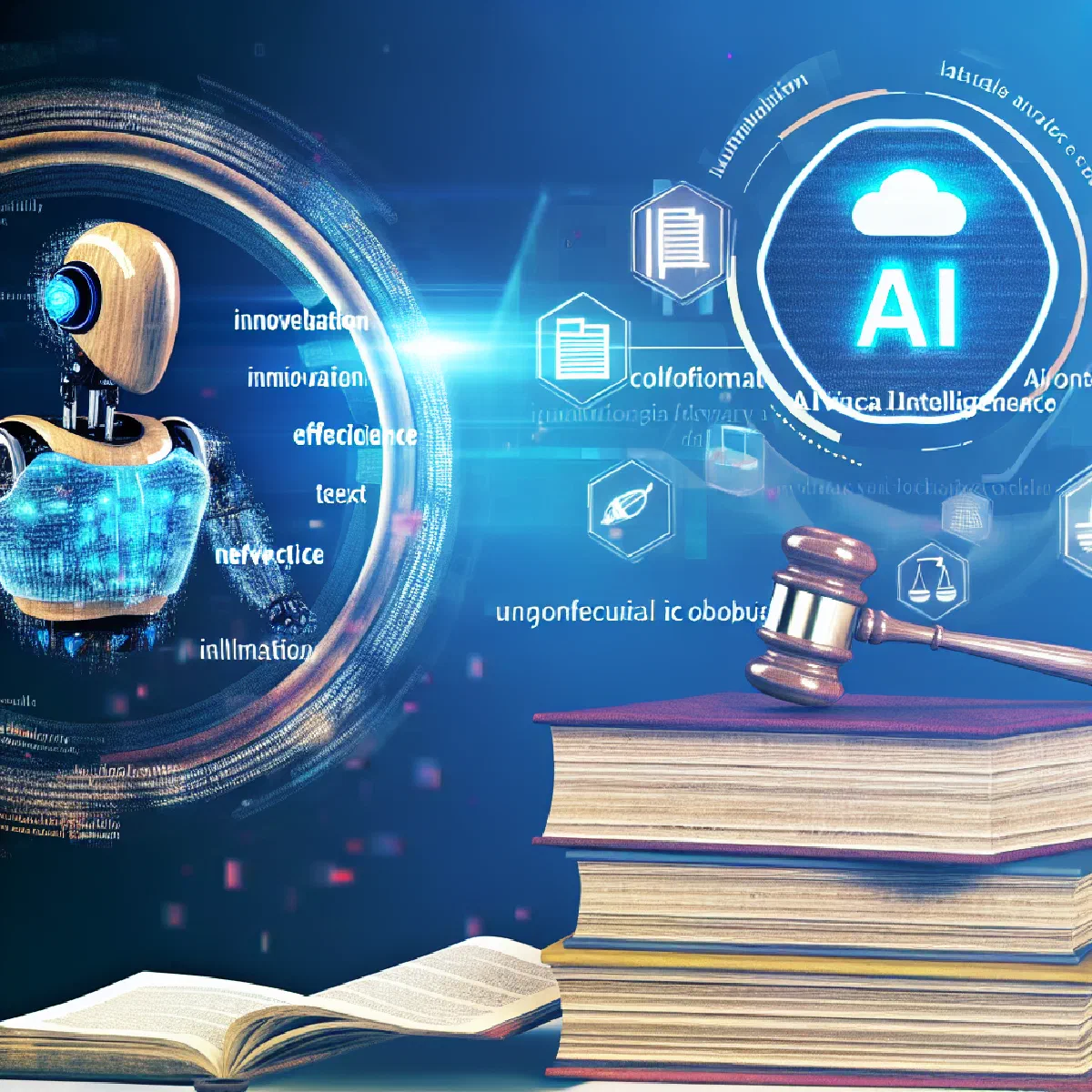
Discover how generative AI is transforming the legal industry by enhancing efficiency, accuracy, and reshaping the roles of legal professionals.
“We are in for a revolution that’s far bigger than anything that’s ever happened in our lifetime.” - Jim Sullivan, Founder of eDiscovery AI
Introduction
The legal industry is on the brink of a transformative shift, driven by the rapid adoption of generative AI. This article presents a comprehensive analysis of how AI technologies are revolutionizing traditional legal processes, as discussed in an insightful Q&A with Jim Sullivan, founder of eDiscovery AI.
Transformative impact of generative AI
Generative AI has emerged as a groundbreaking tool in the legal realm, enhancing efficiency and accuracy. The technology’s ability to draft legal arguments, summarize case law, and analyze contracts is unparalleled. Significantly, Sullivan emphasizes how AI can sift through vast amounts of documents, identifying relevant information with greater precision than human reviewers. This advancement not only streamlines workflow but also ensures higher accuracy in document classification.
Adoption challenges and societal ramifications
Despite the clear benefits, the article acknowledges potential challenges in the adoption of AI within the traditionally conservative legal industry. Larger firms may exhibit resistance to change, but Sullivan insists that adaptability is vital for staying competitive. AI’s integration into legal practices not only offers operational efficiencies but also reshapes the role of legal professionals, urging them to embrace these technological aids to enhance their practice.
Balancing human expertise and AI capability
One thought-provoking point raised is the necessity of a hybrid approach that balances AI capabilities with human expertise. While AI can handle repetitive and data-intensive tasks, human judgment remains critical in crafting nuanced legal arguments and strategies. This symbiosis ensures that legal services become more efficient without compromising on the quality of judgment and creativity involved.
Conclusion
In conclusion, the integration of generative AI into the legal sector is not just a fleeting trend but a significant leap towards the future. The article advocates for a proactive embrace of AI, encouraging legal professionals to leverage these tools for enhanced efficiency and better client service. By combining technological prowess with human insight, the legal industry can achieve unprecedented levels of innovation and effectiveness.
Nobody takes you aside anymore
Print taught a generation when to stop. What we lose when the machines absorb the constraints that used to form us.
Your AI agents need a water cooler
Coordination is a property of the room, not the org chart. What that means when your coworkers are agents.
On the death of the author and the birth of the detector
Why worrying about AI authorship is lazier, and more prejudiced, than it looks.
The work of being available now
A book on AI, judgment, and staying human at work.
The practice of work in progress
Practical essays on how work actually gets done.
The Principle of Sufficient Alternatives
Rules for a healthy software niche/ecosystem
Article analysis: Computer use (beta)
Explore the capabilities and limitations of Claude 3.5 Sonnet's computer use features, and learn how to optimize performance effectively.
Article analysis: AI revolution reshapes work and home, accelerates faster than any previous technology
Discover how generative AI is rapidly reshaping work and home life, achieving unprecedented adoption rates and impacting productivity across industries.
Navigating the complexities of generative AI: Balancing innovation with responsibility
Explore how to balance innovation and responsibility in generative AI, addressing risks, biases, and the urgent need for effective regulation.