Bookmark: In the age of artificial intelligence, polymaths are back in vogue
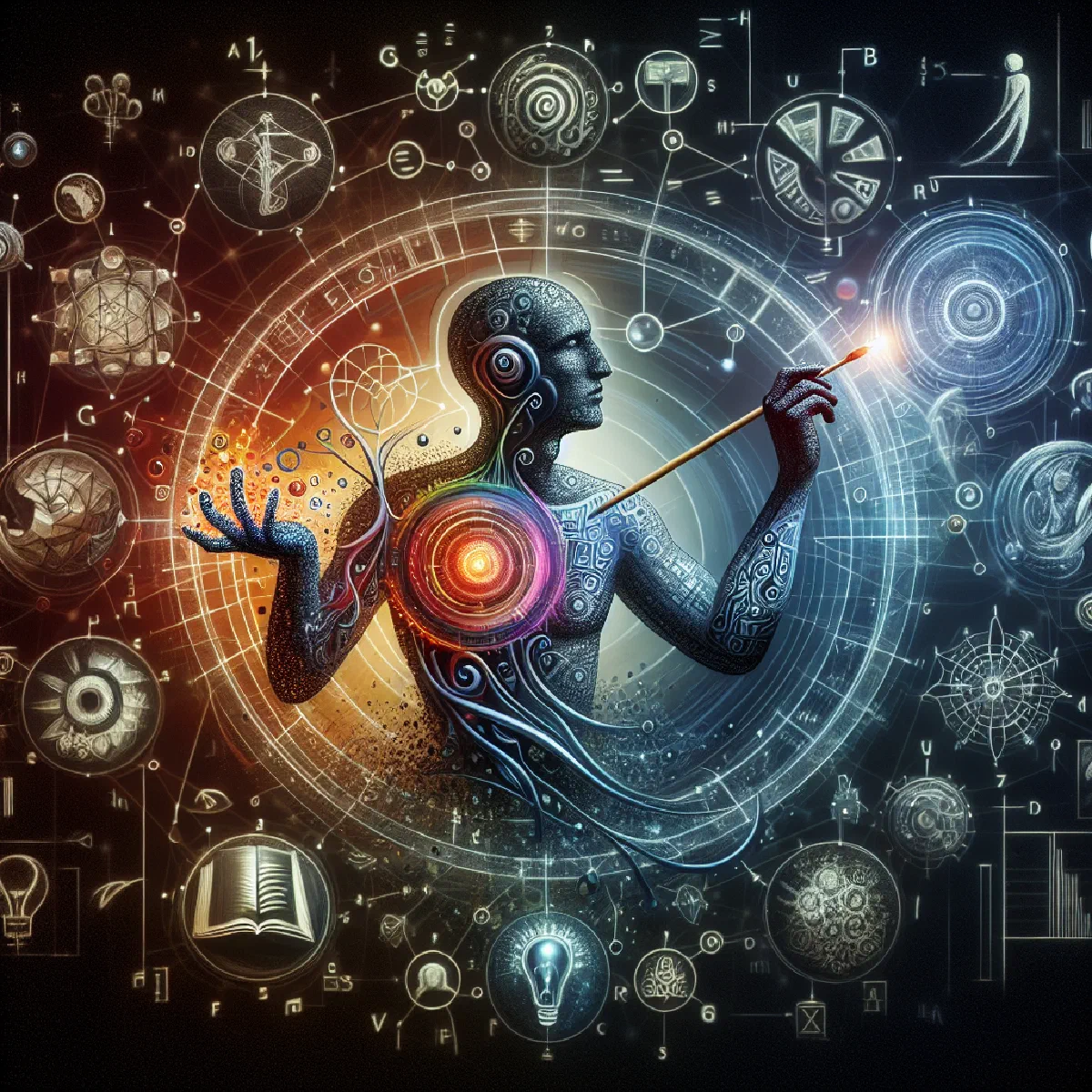
Explore how AI is reviving polymathic thinking, driving innovation across disciplines, and shaping a future grounded in curiosity and ethical responsibility.
The article “In The Age Of Artificial Intelligence, Polymaths Are Back In Vogue” argues that the intersection of AI and polymathic thinking is pivotal for future innovation. The central thesis posits that polymaths, individuals skilled in multiple disciplines, are uniquely positioned to harness AI’s capabilities to create transformative advancements across diverse fields. Historically illustrated through figures like Leonardo da Vinci and Nikola Tesla, the piece suggests these individuals would utilize AI not only for technological innovations but artistic creations as well. The resurgence of polymaths is driven by AI’s democratization of information, breaking down traditional knowledge silos and allowing broader interdisciplinary exploration. As AI facilitates access to vast knowledge, it cultivates a new wave of polymaths capable of pushing the boundaries of invention and innovation. This resurgence is contrasted against the trend of hyper-specialization, underscoring that ethical and successful AI deployment requires diverse inputs from across the professional spectrum. The article further explores the potential of AI to mimic and exceed human polymathic abilities, offering unprecedented opportunities in medicine, energy, and climate solutions. Yet, it emphasizes aligning AI’s transformative powers with humanistic values — curiosity, ethical responsibility, and a commitment to humanity’s advancement — to ensure technology serves as a force for good.
In The Age Of Artificial Intelligence, Polymaths Are Back In Vogue
Nobody takes you aside anymore
Print taught a generation when to stop. What we lose when the machines absorb the constraints that used to form us.
Your AI agents need a water cooler
Coordination is a property of the room, not the org chart. What that means when your coworkers are agents.
On the death of the author and the birth of the detector
Why worrying about AI authorship is lazier, and more prejudiced, than it looks.
The work of being available now
A book on AI, judgment, and staying human at work.
The practice of work in progress
Practical essays on how work actually gets done.
The Principle of Sufficient Alternatives
Rules for a healthy software niche/ecosystem
Bookmark: How openai’’s new ChatGPT agent can do the research for you - access it here
Discover how OpenAI's ChatGPT Deep Research agent transforms research by autonomously gathering and synthesizing information in minutes.
Bookmark: Goodbye digital transformation, hello AI-first business transformation
Embrace AI-first transformation to innovate and streamline business operations, breaking down silos and enhancing decision-making for exponential growth.
Bookmark: What just happened
Discover Ethan Mollick's insights on transformative AI advancements, exploring how accessible technology reshapes our perceptions of work and research.