The article discusses various aspects of employee training and development, providing insights and recommendations on how to incorporate industry trends, cater to different learning styles, evaluate program success, create interactive training methods, and implement best practices. The author emphasizes the need to align training programs with specific business goals, adapt to employee demographics, and ensure engagement and participation. Additionally, they suggest utilizing metrics, data analysis, and innovative approaches such as gamification and simulations to enhance effectiveness. … read more >
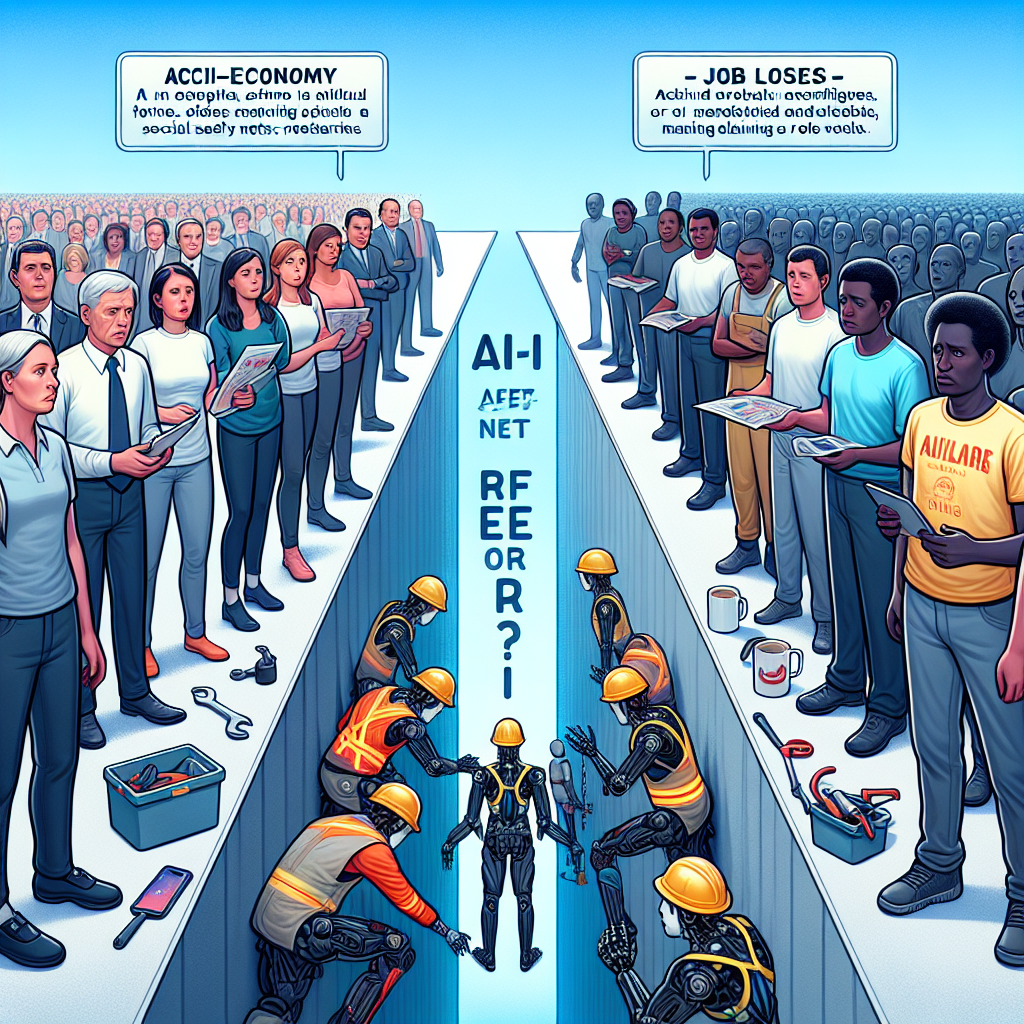
The International Monetary Fund (IMF) has warned that artificial intelligence (AI) could worsen inequality among nations if not properly addressed by policymakers. The IMF states that AI is likely to affect around 60% of jobs in advanced economies, with some workers benefiting from the integration of AI while others risk losing their jobs. The IMF urges countries to establish social safety nets and provide retraining programs to protect vulnerable workers and curb inequality. The IMF’s analysis coincides with discussions on AI at the World Economic Forum in Davos. China has already … read more >
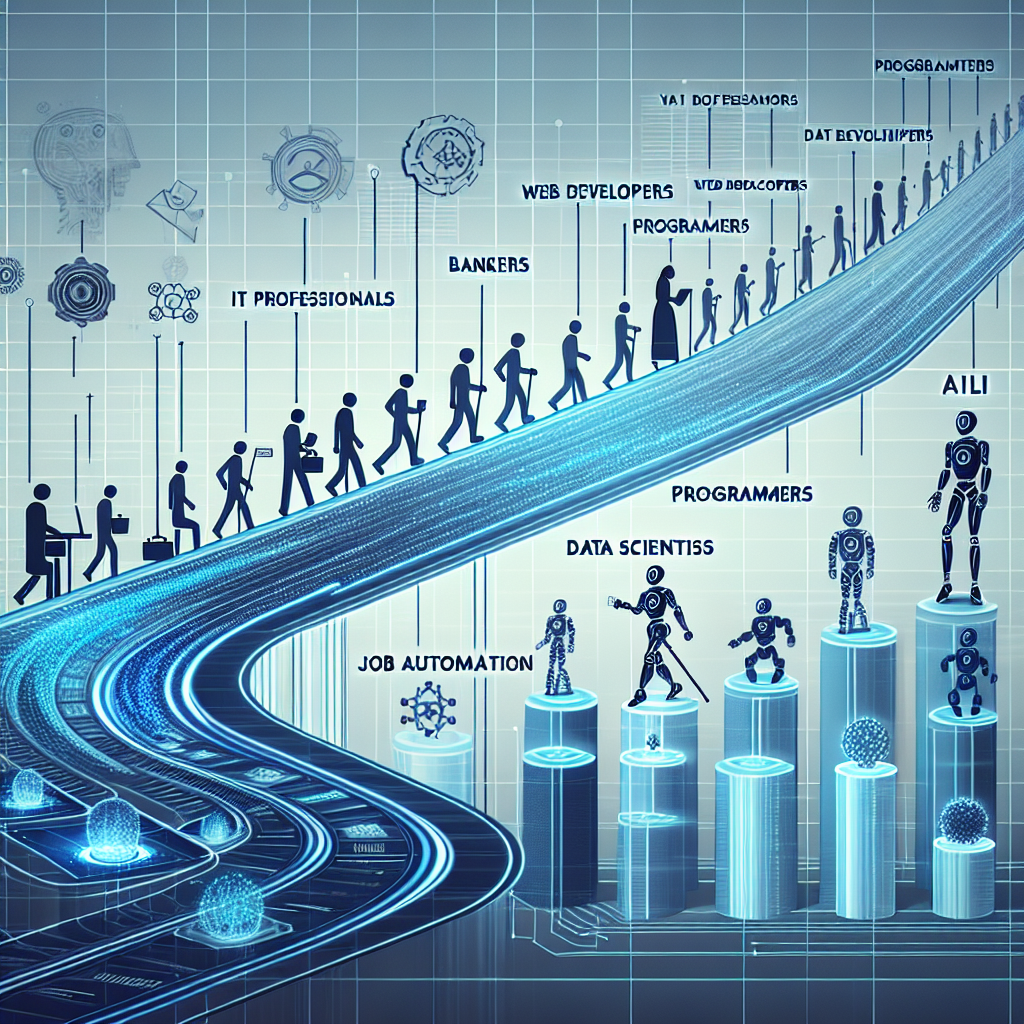
According to a survey of leading AI researchers, all human tasks may become highly automatable by 2116. While this prediction seems far off, it is worth noting that it has been moved up by 50 years from the original estimate of 2164. Short-term developments are also expected to reshape IT and business professionals’ jobs within the next five to 10 years. The survey highlights several capabilities that AI will achieve in the near future, including finding and patching security flaws, building websites, offering phone banking services, writing Python code, finetuning large language models, … read more >
AI has become a ubiquitous technology, with companies exploring its applications for revenue growth and improved customer and employee experiences. However, most businesses are unprepared to leverage AI to its fullest extent, limiting its potential. Only a small number of companies are successfully applying AI to improve their operations and create new value. AI-powered automation, when combined with specialized and generative AI, can boost productivity, eliminate errors, and achieve faster results. Successful examples include Cathay Pacific, British Airways, and Intel. To fully deliver on its … read more >
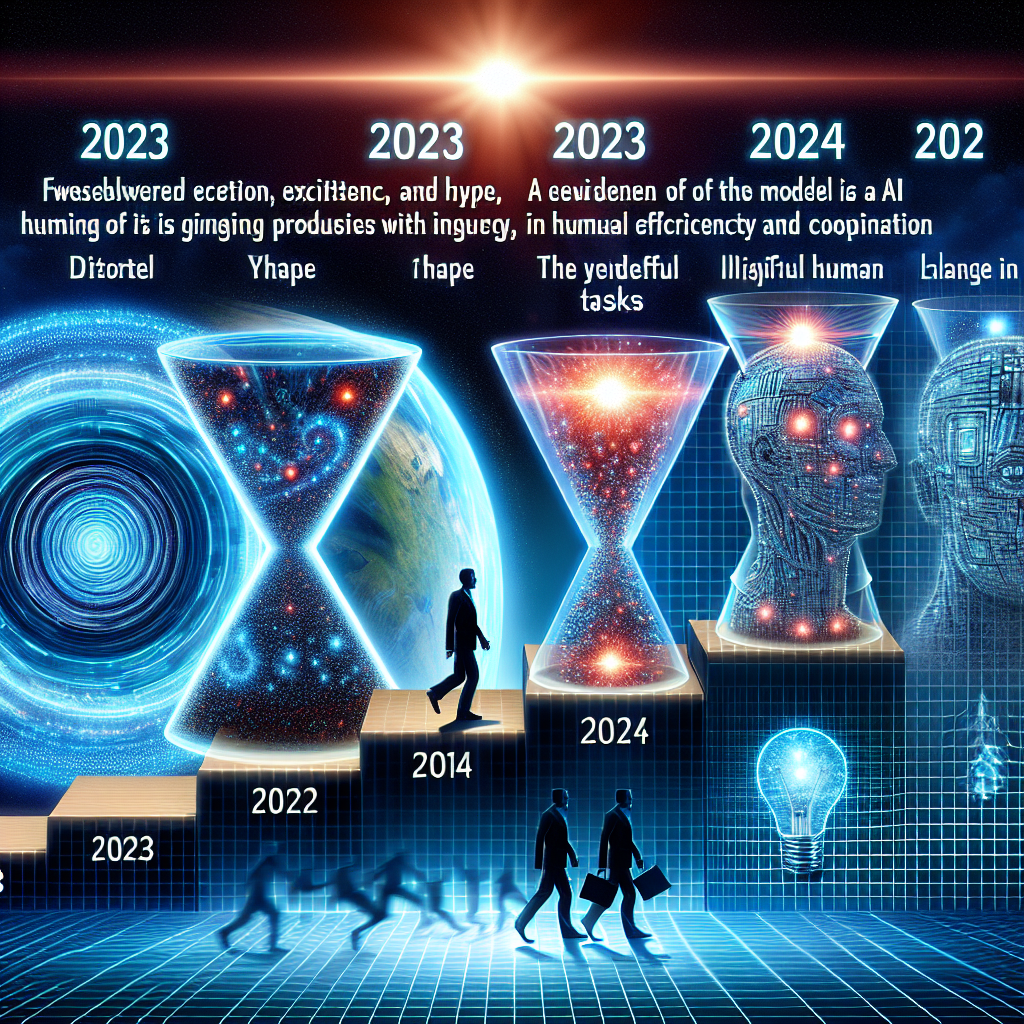
The year 2023 saw widespread hype around generative AI, with expectations of AI-powered advancements becoming common. However, in 2024, there will be a need to readjust expectations as evidence emerges showcasing the limitations of generative AI. These models are prone to providing false information and hallucinations, making it difficult to anchor predictions to known truths. Anticipation of exponential productivity improvements and artificial general intelligence will prove unfounded, leading to a shift in focus towards identifying human tasks that can be augmented by these models. Moreover, … read more >
According to a new International Monetary Fund (IMF) report, artificial intelligence (AI) could potentially replace three in five workers, with some jobs potentially disappearing altogether. The IMF also warned of lower salaries and cuts in hiring as a result of AI integration. A separate study from PwC revealed that bosses in Britain are adopting AI technology at a faster rate than their counterparts in the US, China, and Europe, which could have a larger impact on British workers. The IMF also noted that while younger workers could benefit from AI, older workers may struggle to adapt. read more >
Generative AI tools like ChatGPT are driving the trend towards AI-driven automation. While many fear job losses, the impact of generative AI is more likely to be job augmentation rather than job displacement. A McKinsey report predicts that by 2030, 30% of hours currently worked in the US economy could be automated. However, only around 20% of jobs are considered “highly exposed” to generative AI automation. Jobs like customer service representatives face a higher risk of displacement, but tasks requiring human judgment and empathy will still need human intervention. On the other … read more >
The article discusses the hidden limitations of remote work and how it can affect career progression. The author shares a personal anecdote about their friend Max, who had to relocate for personal reasons and was subsequently excluded from internal communications and passed over for a promotion. The article mentions that studies support the idea that remote employees are less likely to be promoted or receive raises compared to those working in the office. The author also highlights their previous article’s viewpoint on remote work, stating that it may be more beneficial for experienced … read more >
A new survey from the Conference Board reveals that only 6 out of 158 U.S. CEOs plan to prioritize bringing workers back to the office full-time by 2024. This indicates a shift in the mindset of executives, who are increasingly accepting hybrid work arrangements as the norm for knowledge workers. Another survey by Deloitte found that 65% of CFOs expect their company to offer a hybrid work arrangement this year. Remote work is likely to be the most persistent economic legacy of the pandemic, with 20%-25% of U.S. workers currently working from home part of the week. Employees prefer flexibility … read more >
Atlassian’s approach to distributed work, known as Team Anywhere, has enabled employees to choose where they work since 2020. The company’s workforce has become highly distributed, with employees collaborating from over 10,000 locations. Despite this, 92% of employees say the distributed work policy allows them to do their best work, and 91% consider it an important reason for staying at Atlassian. The company has also seen benefits such as increased representation of women in certain geographies and high visitation rates to their offices. Atlassian shares their insights and key … read more >