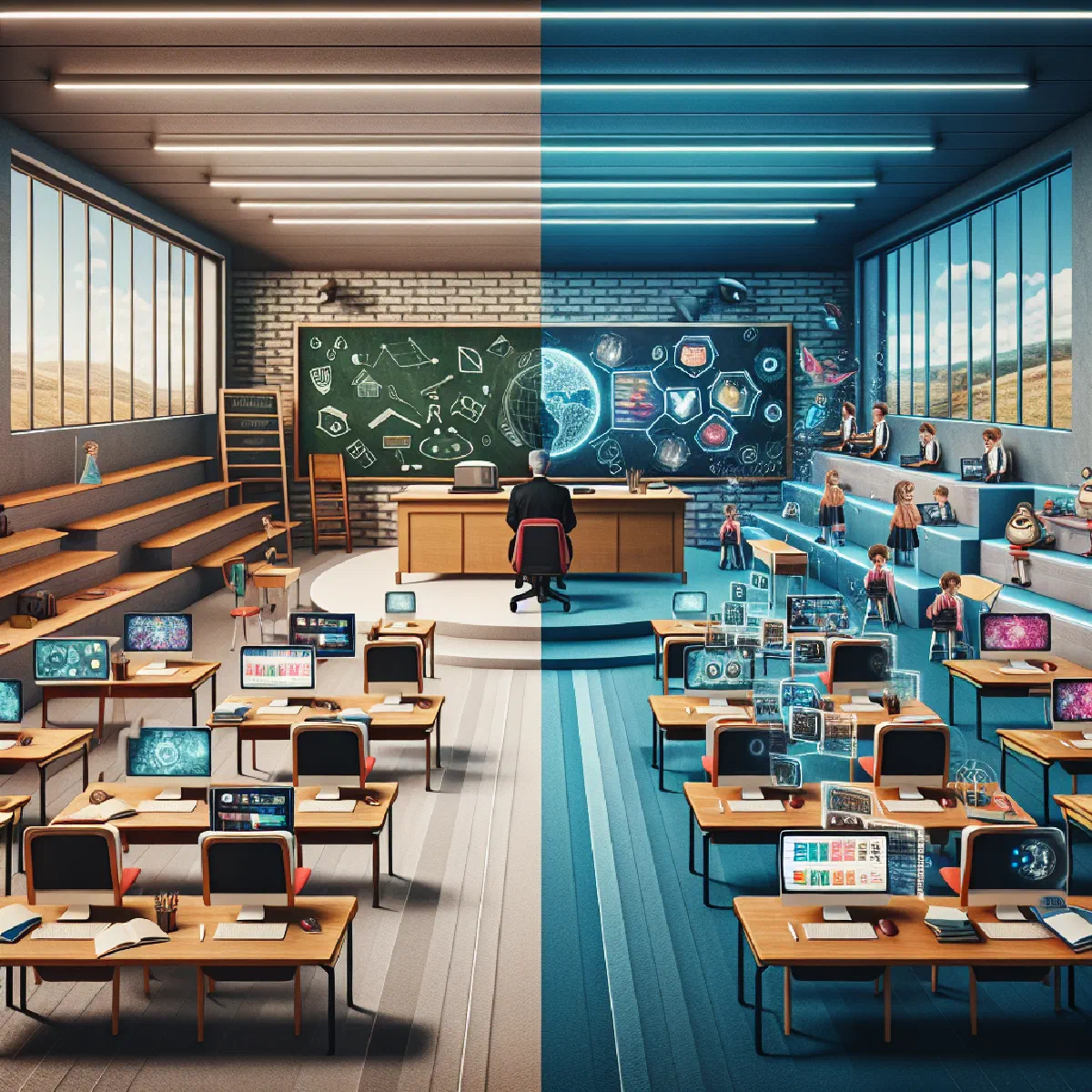
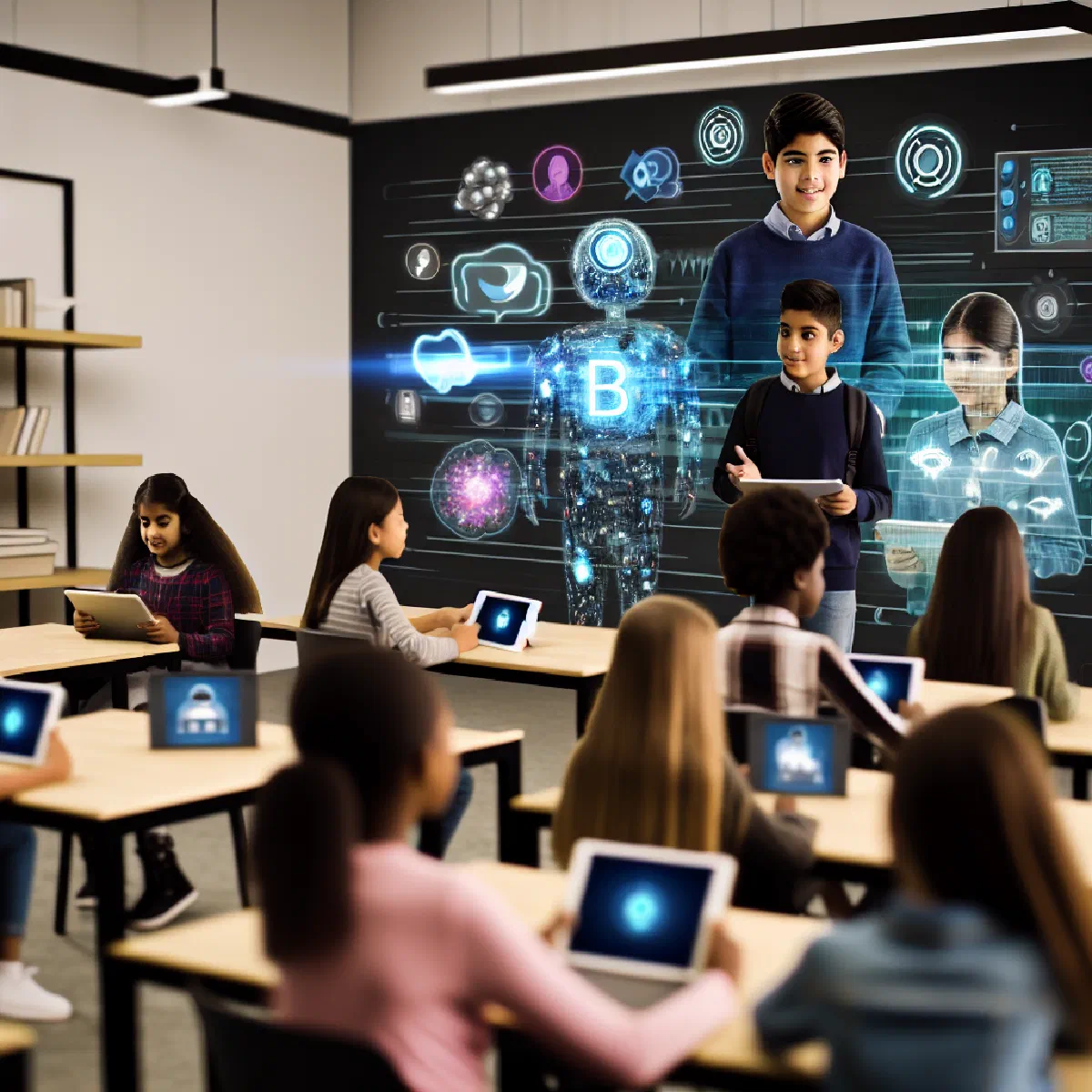
The traditional education model has long struggled with its one-size-fits-all approach. Course content remains static, instruction is largely uniform, and personalization is limited to what an instructor can provide within the constraints of time and resources. However, artificial intelligence (AI) is now redefining curriculum design, enabling hyperpersonalized learning that adapts to individual students’ needs, abilities, and preferences. With AI-driven tools, education is shifting from rigid, standardized instruction to dynamic, student-centered learning pathways.
Please provide the article content you would like summarized, and I’ll be happy to assist with a thorough summary of its key points and main arguments.
Analysis
Please provide the article you would like analyzed, and I will create an analysis tailored to your specific interests and conceptual commitments.
In “Scaling Evidence-based Instructional Design Expertise Using AI,” the research spearheaded by Gautam Yadav’s team at Carnegie Mellon University examines the transformative potential of AI in instructional design, particularly using Large Language Models (LLMs) like GPT-4 to bridge the gap between educational theory and practical application. The central thesis revolves around the capability of AI to scale evidence-based instructional practices traditionally limited by resources. Through two pivotal experiments, the study showcases AI’s ability to streamline the development … read more >
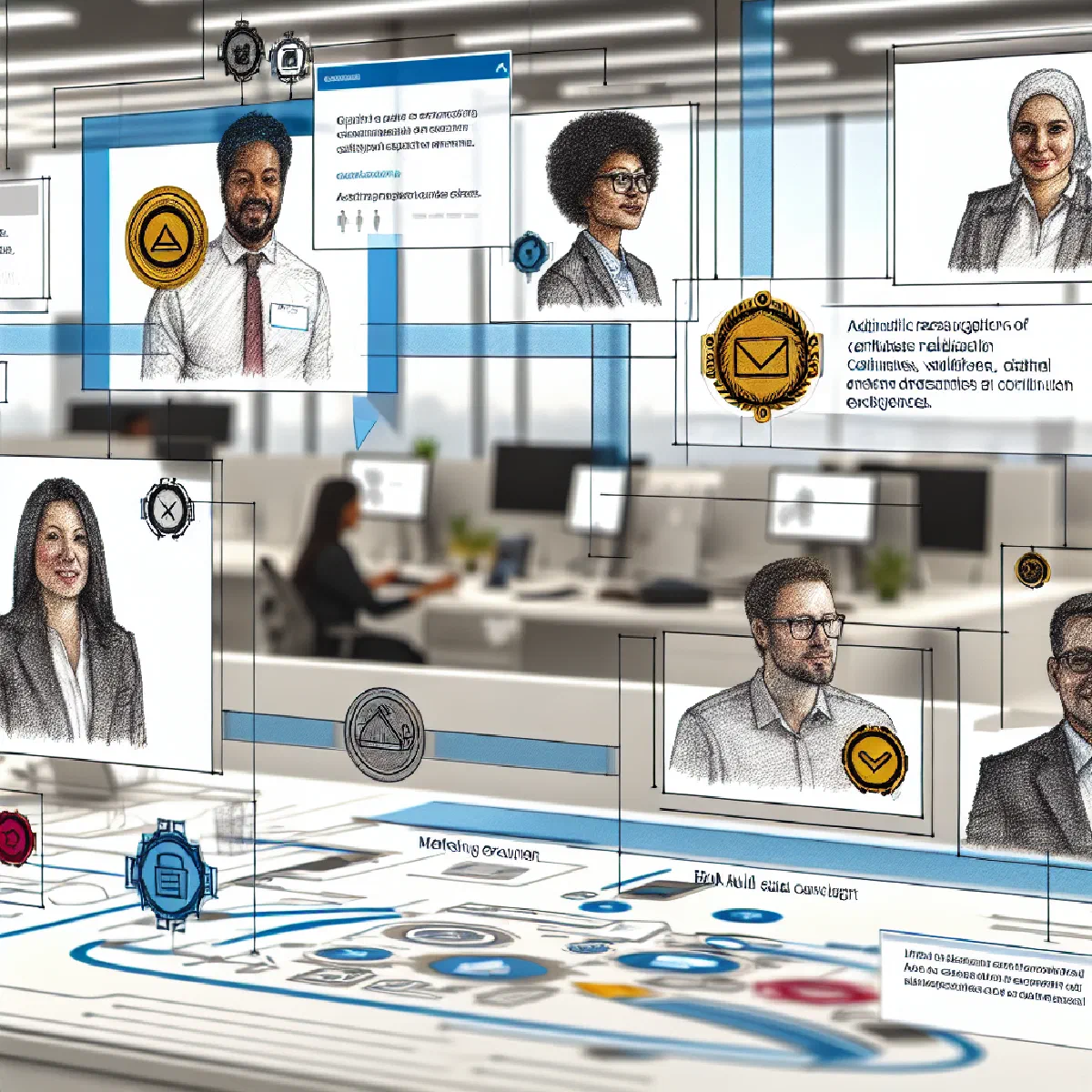
The article “The Rise Of The Micro-Credentials Movement: Validating Skills Beyond Traditional Degrees” by Aditya Malik explores how micro-credentials are emerging as a vital complement to traditional education in workforce development, emphasizing their role in addressing the growing skills gap. Malik argues that while traditional degrees …
“We need to move beyond the focus on cheating and teach students to use AI in pursuit of learning not instead of learning,” added Lufkin at last week’s event.
The article underscores the pressing need for universities to integrate generative AI into their teaching frameworks, advocating for its role in preparing students for future workplaces and enhancing personalized learning. It portrays a strong argument made by Ryan Lufkin, vice president at Instructure, who emphasizes that avoiding AI due to privacy concerns and fears of cheating can …
The article delves into OpenAI’s initiatives to integrate generative AI into the educational landscape, particularly through the development of custom GPT models aimed at enhancing online learning experiences. OpenAI’s vision is to create personalized GPTs, which can be employed by educators to facilitate lifelong learning engagement for students worldwide. Despite not actively pursuing this yet, it remains a strategic objective for OpenAI. The article highlights experiments like professors using OpenAI’s tools to upload extensive course content into custom GPTs, which … read more >
Bill Gates paints a striking picture of the future of work with AI, predicting only energy, biology, and AI programming will truly thrive. As automation reshapes industries, equipping ourselves with digital skills becomes crucial. This thought-provoking article delves into the challenges and opportunities AI presents, urging us to embrace education and innovation to stay ahead.
I was unable to locate the exact quote from the article. However, you can refer to key ideas discussed in the summary for quotes or concepts about Bill Gates’ views on AI’s impact on work, education, and …
Discover how Unbound Academy in Arizona is transforming education by replacing traditional teachers with AI-driven instruction. This innovative model offers just two hours of personalized academic lessons each day, allowing more time for life-skill workshops. It’s a bold move inspired by strategies similar to Tesla’s approach. Read on to see how education might be evolving to meet the future.
One notable quote from the article is: “As students work through lessons on subjects like math, reading, and science, the AI system will analyze their responses, time spent on tasks, …
Reimagining Education 2024 highlights the critical role higher education must play in crafting a sustainable future. The conference discussions on AI, collaboration, and expanding lifelong learning opportunities are particularly thought-provoking. It’s evident that education holds the key to addressing major global issues and preparing students for the challenges ahead. These insights underscore the transformative potential of today’s educational innovations.
“At our universities, we believe that collaboration among higher education stakeholders is important in enhancing …
In a world where AI often gets a bad rap in education, Timothy Montalvo’s piece on eCampus News shifts the narrative. He argues that with thoughtful integration, AI can be a powerful ally in empowering students and fostering inclusivity. As we prepare students for a tech-driven future, this perspective offers a refreshing take on using AI as a tool for learning and ethical problem-solving.
One notable quote from the article is: “AI doesn’t have to be banned or feared in education. By embracing its potential and addressing its challenges head-on, educators can help students use AI …