Opportunities for younger and high-skilled workers could increase rather than vanish, thanks to AI—But the same can’t be said for wages.
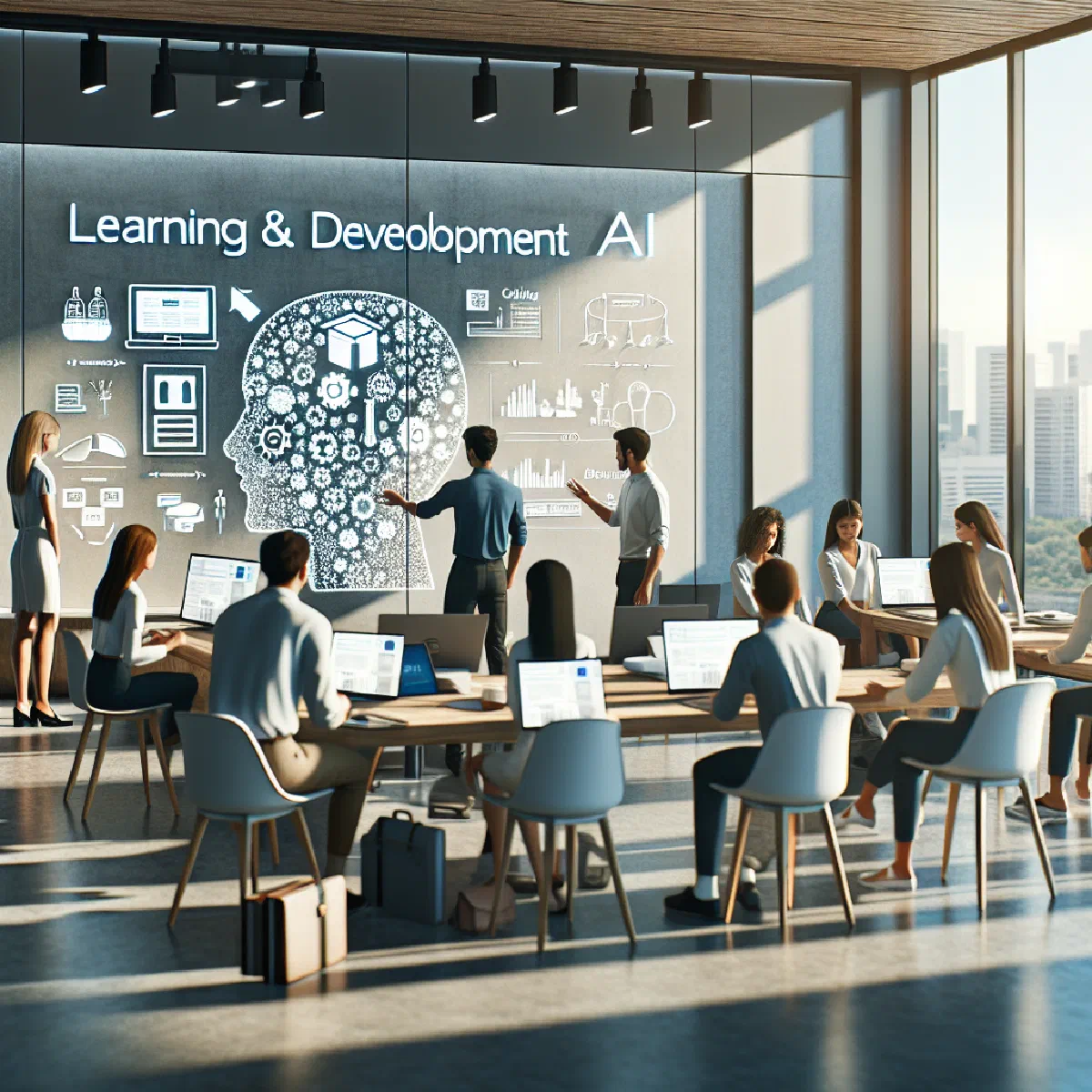
Explore how AI can create opportunities for high-skilled workers while posing risks to wages, urging proactive measures for a balanced future.
The article examines concerns around AI’s impact on jobs and wages based on research from European Central Bank. It states that while alarms of mass technological unemployment are overblown, the threat of depressed wages due to automation replacing routine tasks is real. Unexpectedly, groups most at risk are white-collar professionals like lawyers, engineers rather than lower-skilled workers.
A contrarian insight from the research is that AI can also provide productivity and efficiency gains that may compensate for lost incomes. Additionally, new specialized jobs may arise from integrating AI systems. Rather than just mitigating risks, policymakers should proactively invest in new skills, digital infrastructure and stimulating entrepreneurship to maximize opportunities. The research concludes that AI’s economic impact depends greatly on deployment strategies and responses. With the right transition policies, AI can counterintuitively both displace jobs and raise overall wages. But lack of foresight risks worsening inequality. The future remains uncertain.
https://fortune.com/europe/2023/11/29/ai-not-steal-jobs-might-cut-paycheck-ecb-research/
Nobody takes you aside anymore
Print taught a generation when to stop. What we lose when the machines absorb the constraints that used to form us.
Your AI agents need a water cooler
Coordination is a property of the room, not the org chart. What that means when your coworkers are agents.
On the death of the author and the birth of the detector
Why worrying about AI authorship is lazier, and more prejudiced, than it looks.
The work of being available now
A book on AI, judgment, and staying human at work.
The practice of work in progress
Practical essays on how work actually gets done.
The Principle of Sufficient Alternatives
Rules for a healthy software niche/ecosystem
Many businesses are not yet prepared to fully reap the benefits of AI.
Unlock AI's true potential for your business by integrating it into your strategy, boosting productivity, and enhancing customer experiences.
Artificial intelligence could hit three in five workers — Possibly replacing their jobs. The warning comes in a new international monetary fund report on the future of work. It warned of lower sala…
AI could replace three in five workers, warns an IMF report, signaling potential job loss and lower salaries. Discover the implications for the future of work.
Atlassians choose where they work, every single day. Download our free report to see what we’ve learned as a result.
Explore Atlassian's insights on flexible work policies and employee satisfaction. Download the free report to learn from their distributed work experience.