Microsoft research reveals new prompt engineering techniques that makes GPT-4 achieve previously impossible performance levels
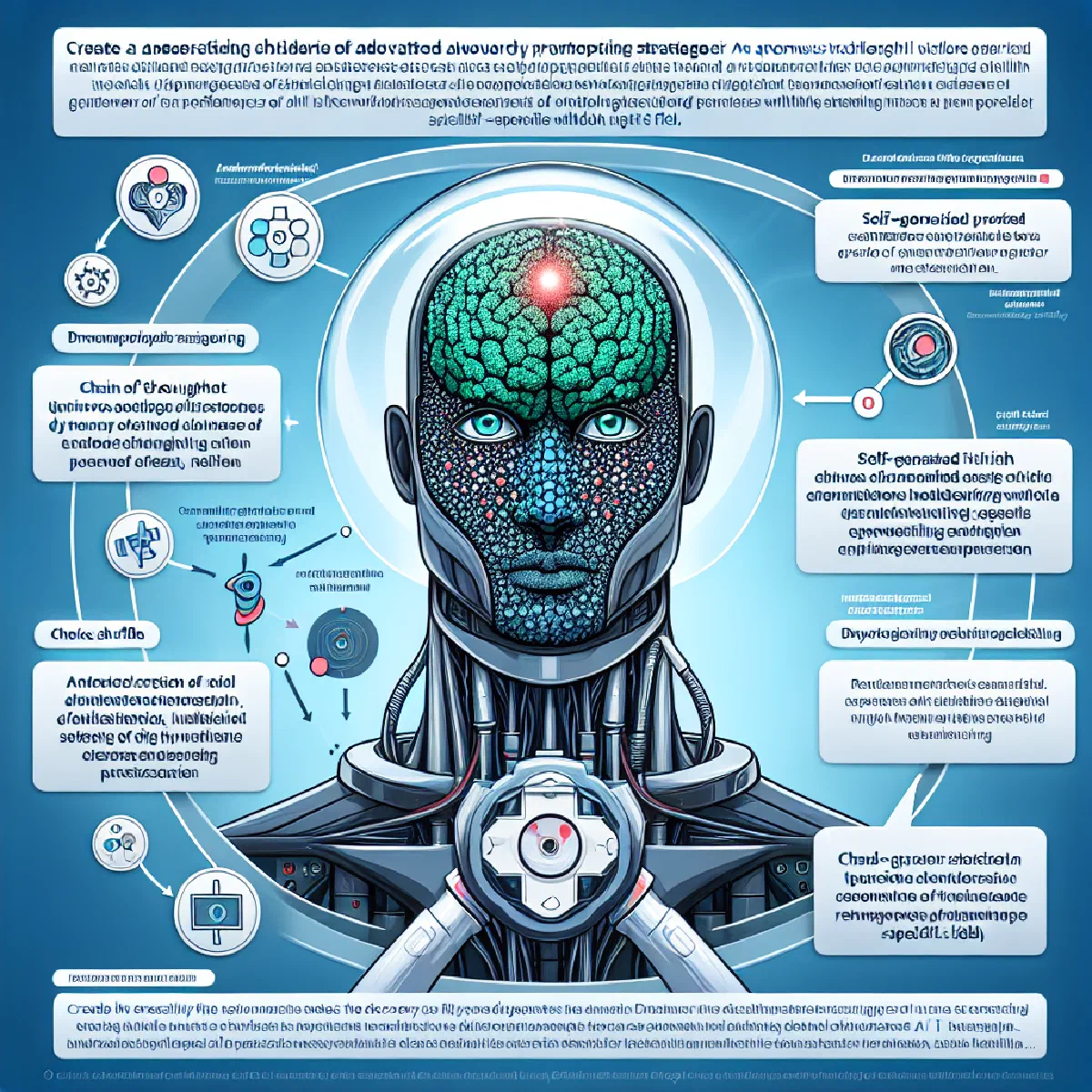
Unlock GPT-4's potential with new prompt engineering techniques that outperform specialized AI, enhancing performance across various domains.
Microsoft’s research study demonstrates the effectiveness of advanced prompting techniques such as Chain of Thought (CoT) reasoning, dynamic few-shot selection, self-generated chain of thought, and choice shuffle ensembling in causing a generalist AI (GPT-4) to outperform a specialist AI (Med-PaLM 2) that was specifically trained for a given domain. This research paper confirms insights that advanced generative AI users have discovered, and the Medprompt technique has the potential to be used to elicit high quality output in any knowledge area, eliminating the need to intensively train a model on specific domains.
Original article: Researchers Extend GPT-4 With New Prompting Method
Why customer tools are organized wrong
This article reveals a fundamental flaw in how customer support tools are designed—organizing by interaction type instead of by customer—and explains why this fragmentation wastes time and obscures the full picture you need to help users effectively.
Infrastructure shapes thought
The tools you build determine what kinds of thinking become possible. On infrastructure, friction, and building deliberately for thought rather than just throughput.
Server-side dashboard architecture: Why moving data fetching off the browser changes everything
How choosing server-side rendering solved security, CORS, and credential management problems I didn't know I had.
The work of being available now
A book on AI, judgment, and staying human at work.
The practice of work in progress
Practical essays on how work actually gets done.
The product changed its mind
A product pivoted its entire philosophy mid-session — from 'here's your list' to 'here's your next thing.' The code shipped in the same conversation as the idea. That's not iteration. That's something else.
Your project management tool was made for a non-human (AI) factory, not for you
Every project or task management tool on the market descends from Frederick Taylor's factory floor. The assumptions were wrong then. They're catastrophic in the Age of AI.
The last mile is all the miles
Building the product is the fun part. Deploying it, configuring auth, pasting email templates into dashboards, rotating leaked API keys — that's where the work actually lives.
Article analysis: Sintra AI review: All-in-one business automation platform
Streamline your business operations with Sintra AI, the all-in-one platform designed to enhance automation and optimize efficiency effortlessly.
Article analysis: The 10 best headless CMS platforms to consider
Discover the top 10 headless CMS platforms that boost flexibility, performance, and scalability, transforming your content management strategy today.
Article analysis: Analyzing unionization trends: Why 67% of American tech workers are interested in joining a union
Explore why 67% of American tech workers are drawn to unionization, revealing key differences across major companies like Intuit, Apple, and Tesla.