Instructional design models and theories are in the spotlight today as more organizations embrace learning experience design for education and training needs.
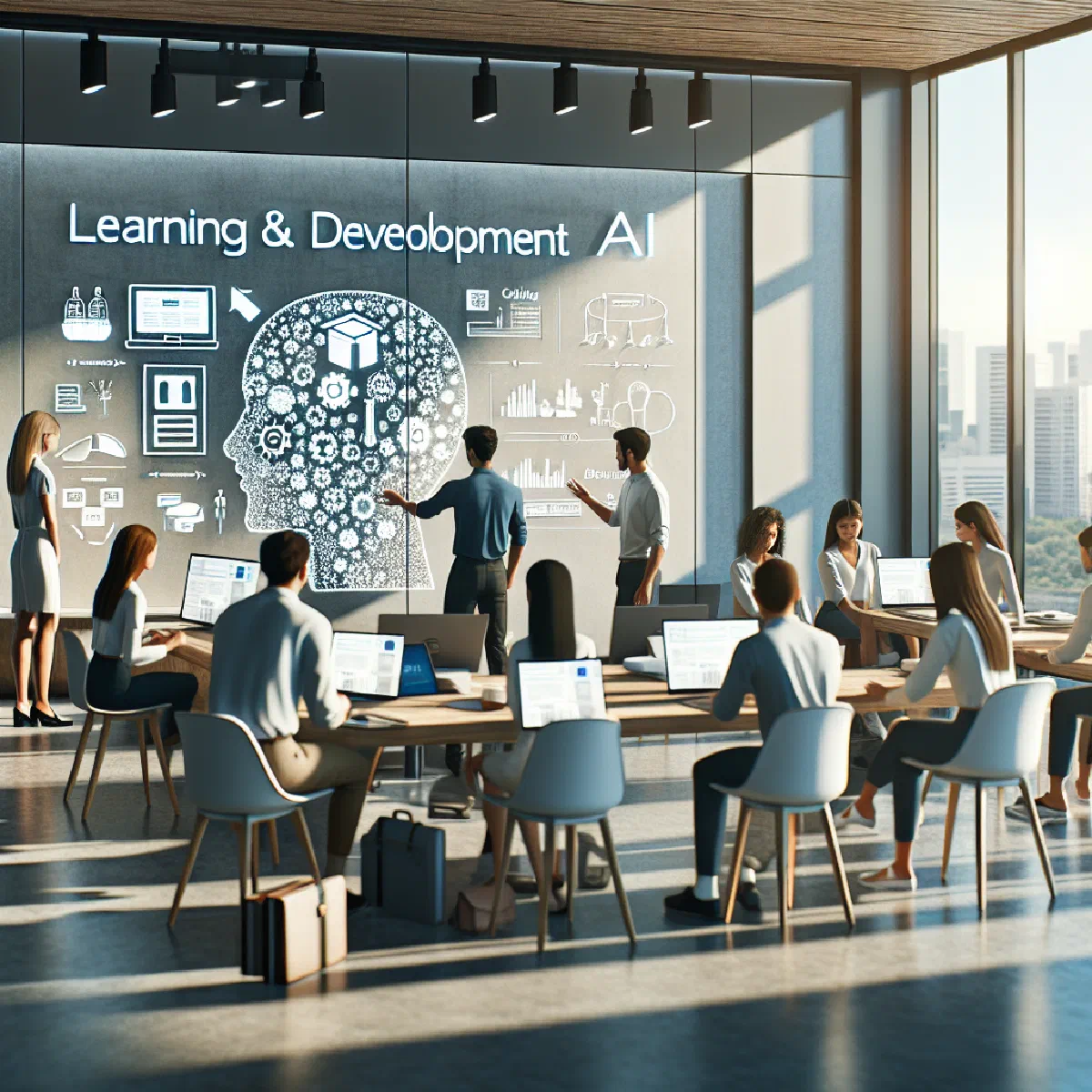
Explore essential instructional design models and theories that enhance learning experiences in education and training for modern organizations.
This article discusses the importance of utilizing instructional design models and theories in modern education. It explores why these models, some of which date back to World War II, remain relevant and significant today. The article also provides an overview of several influential instructional design models and theories, as well as an expanded list for further reference. It concludes with a section answering frequently asked questions about instructional design models. Overall, the article highlights the value of these models in creating effective learning experiences.
https://onlinedegrees.sandiego.edu/instructional-design-models/
Why customer tools are organized wrong
This article reveals a fundamental flaw in how customer support tools are designed—organizing by interaction type instead of by customer—and explains why this fragmentation wastes time and obscures the full picture you need to help users effectively.
Infrastructure shapes thought
The tools you build determine what kinds of thinking become possible. On infrastructure, friction, and building deliberately for thought rather than just throughput.
Server-side dashboard architecture: Why moving data fetching off the browser changes everything
How choosing server-side rendering solved security, CORS, and credential management problems I didn't know I had.
The work of being available now
A book on AI, judgment, and staying human at work.
The practice of work in progress
Practical essays on how work actually gets done.
The second project problem
Your system works. Then you try it somewhere else and it falls apart. The gap between 'works here' and 'works anywhere' is where most automation dies — and most organizations never look.
The smartest code you'll ever delete
The most dangerous kind of waste isn't the thing that doesn't work. It's the thing that works beautifully and shouldn't exist.
The first real user breaks everything
Your product works until someone actually uses it. The gap between 'works in dev' and 'works for a person' is where most systems fail — and most organizations avoid looking.
Remote work is here to stay despite in-person mandates, this economist says
Explore why remote work persists despite RTO mandates, and how hybrid models can enhance equity and collaboration in the evolving workplace.
Eliminating degree requirements for corporate jobs.
Walmart eliminates degree requirements for corporate jobs, prioritizing skills and experience to enhance career opportunities and broaden talent pools.
AI drives innovation, profits, and efficiency.
Unlock innovation and profits with AI by empowering employees and prioritizing human-centered decision-making for a more efficient workplace.