Flipped classrooms: Small gains with significant effort – An analytical review
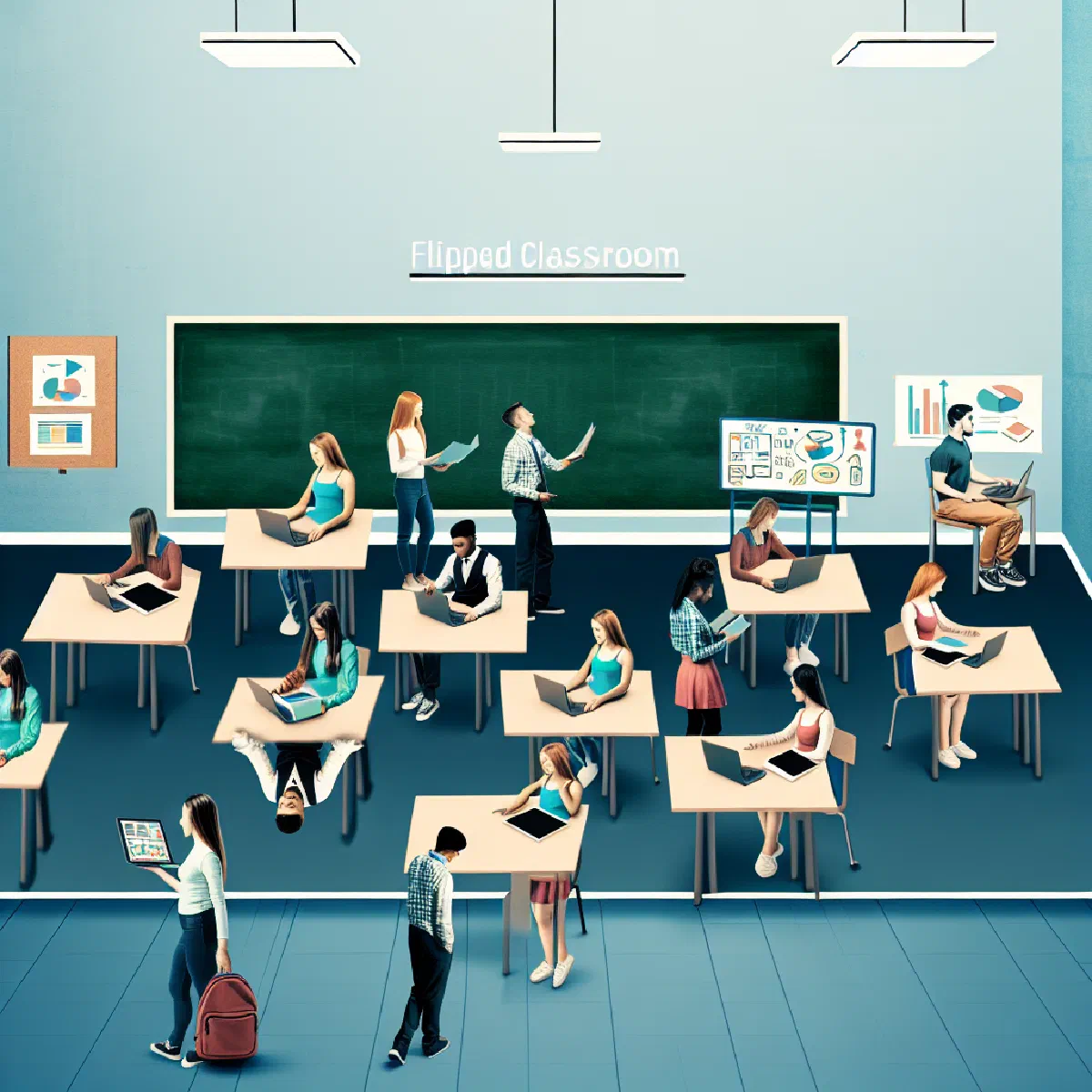
Discover the modest benefits of flipped classrooms and learn how strategic design and in-person interaction are key to maximizing their potential.
“My takeaway message is that it could be better, but only when it is appropriately designed.” - David C.D. van Alten .
PROOF POINTS: 114 studies on flipped classrooms show small payoff for big effort
Understanding the impact of flipped classrooms
Flipped classrooms, where students engage with lecture content at home and participate in activities during class, promise a transformative educational approach. Yet, a recent meta-analysis of 114 studies reveals only modest learning gains. This analysis underscores the need for careful and strategic implementation to realize the full potential of flipped classrooms.
Small gains, big effort
The meta-analysis, conducted by David C.D. van Alten and his team at the University of Utrecht, illustrates that flipped classrooms yield slightly better academic performance compared to traditional methods. On average, students in flipped classrooms score slightly above their peers, akin to a minor increase on standardized tests. However, this improvement is relatively small when weighed against the significant resources and effort required to establish effective flipped classroom environments.
Ensuring in-person interaction
A critical insight from the research is the importance of preserving in-person instructional time. When face-to-face interactions were reduced, student learning suffered. The strength of flipped learning lies not merely in watching videos but in the active, collaborative learning that occurs during class sessions.
Implementation challenges
Designing and implementing flipped classrooms demands substantial investments in creating multimedia content and interactive activities. These practical challenges highlight the need for collaborative efforts among educators and adequate resource allocation.
Adapting to remote learning
During pandemic-induced remote learning, the principles of flipped classrooms remain relevant. Asynchronous video instruction, combined with synchronous, interactive sessions, can foster effective learning. However, designing engaging online activities that stimulate interaction poses a significant challenge for teachers and students alike.
Conclusion
While flipped classrooms offer potential benefits, their success hinges on thoughtful design and adequate support. The findings encourage educators to adopt a collaborative approach, ensuring resourceful and strategic implementation to maximize student learning outcomes.
Nobody takes you aside anymore
Print taught a generation when to stop. What we lose when the machines absorb the constraints that used to form us.
Your AI agents need a water cooler
Coordination is a property of the room, not the org chart. What that means when your coworkers are agents.
On the death of the author and the birth of the detector
Why worrying about AI authorship is lazier, and more prejudiced, than it looks.
The work of being available now
A book on AI, judgment, and staying human at work.
The practice of work in progress
Practical essays on how work actually gets done.
The Principle of Sufficient Alternatives
Rules for a healthy software niche/ecosystem
Article analysis: The rise of the micro-credentials movement: Validating skills beyond traditional degrees
Explore how micro-credentials bridge skill gaps, enhance hiring, and offer affordable, flexible learning options for today's workforce demands.
Article analysis: The future of corporate learning and employee engagement: Why traditional training is dead
Explore how AI and immersive technologies are reshaping corporate learning, making traditional training methods obsolete and enhancing employee engagement.
Article analysis: Report: Employers still don’t understand or trust education badges
Employers struggle to interpret digital education badges, highlighting the urgent need for standardization to enhance their credibility in hiring processes.