“Gen Z is seeing people talk about burnout, and they’re thinking, ‘If that’s what’s coming, I would rather design a career that actually serves me, versus working myself into the ground for somebody else’s benefit,’” - Natasha Stanley, career coach at Careershifters.org. The middle manager crisis: most young workers say the role is ‘high stress, low reward’
The document discusses the changing attitudes of Generation Z towards traditional corporate hierarchies. A significant portion of Gen Z, 52%, prefer not to become middle managers as revealed by a survey from Robert Walters. …
One notable quote from the article is: “Michael Dell said that in-person teamwork is important because quick talks can replace long email chains.” This highlights the company’s perspective on the efficiency of face-to-face interaction> Dell’s CEO, Michael Dell, Requires Full In-Office Work Starting From March
Starting in March, Dell will mandate full in-office work on all weekdays, bringing a close to remote operations for most of its workforce. CEO Michael Dell communicated this transition, requiring employees near office locations to attend daily, with remote work …
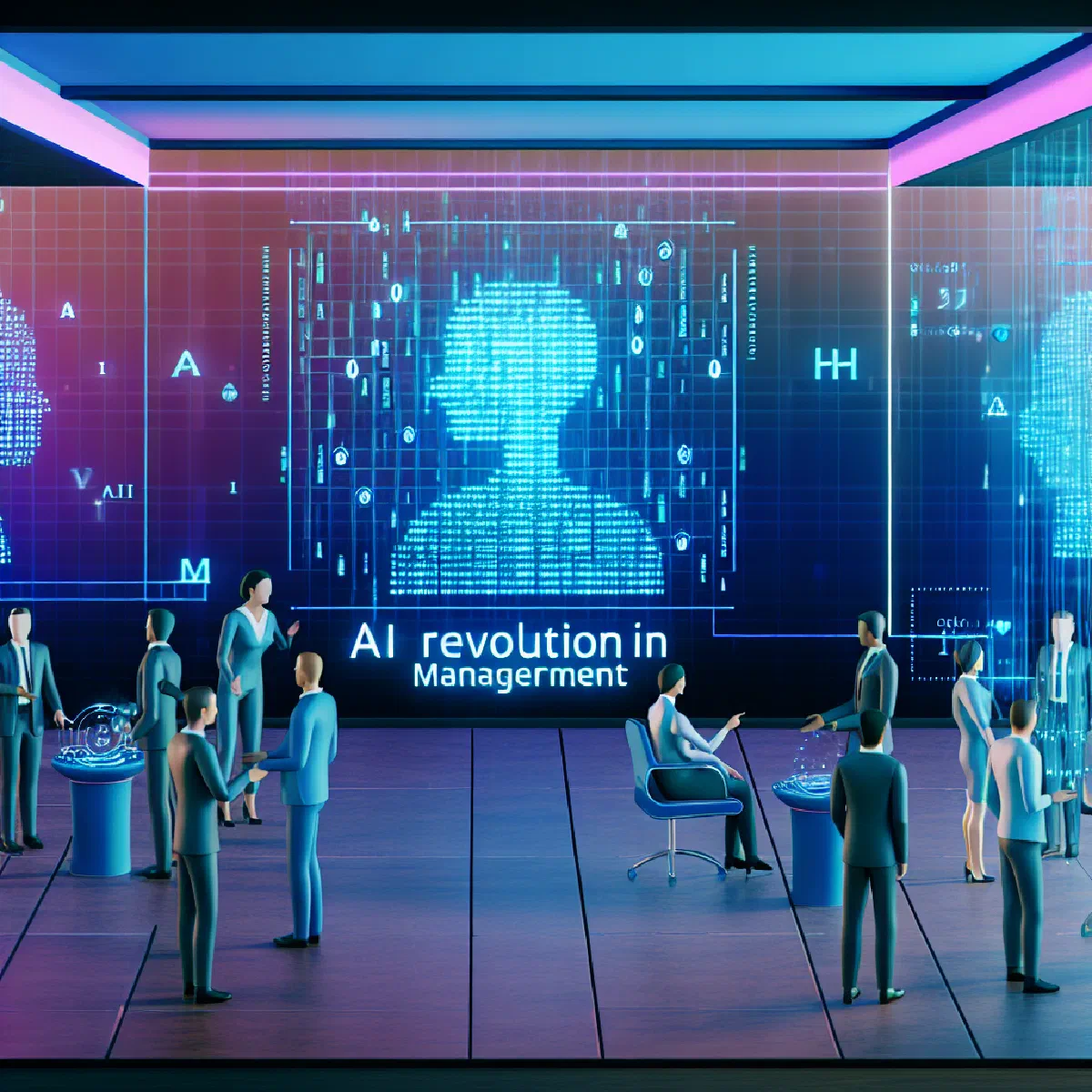
“The rise of AI is reshaping our expectations of management, suggesting a shift toward collective interests and a more human-focused approach in work relationships.”
The article *“Are managers at risk in an AI-driven future?”* asserts that while AI is unlikely to replace managers outright, it will significantly reshape management roles. AI technology is shifting management towards a more human-centric approach, emphasizing collective interests and soft skills over hard technical skills. This evolution echoes …
From Scope to Time, Content to Purpose: A Transformative Journey
In the early stages of my career, my approach to work was straightforward: scope ruled supreme. The task was the task, and its completion—no matter how long it took—was the goal. I assumed that work itself inherently carried value, and as long as I could deliver the entire scope, success was guaranteed. There was little consideration for the time spent. My focus was entirely on the content—on completing what was assigned or imagined—without questioning why we were doing it in the first place. It was a natural way of thinking: …
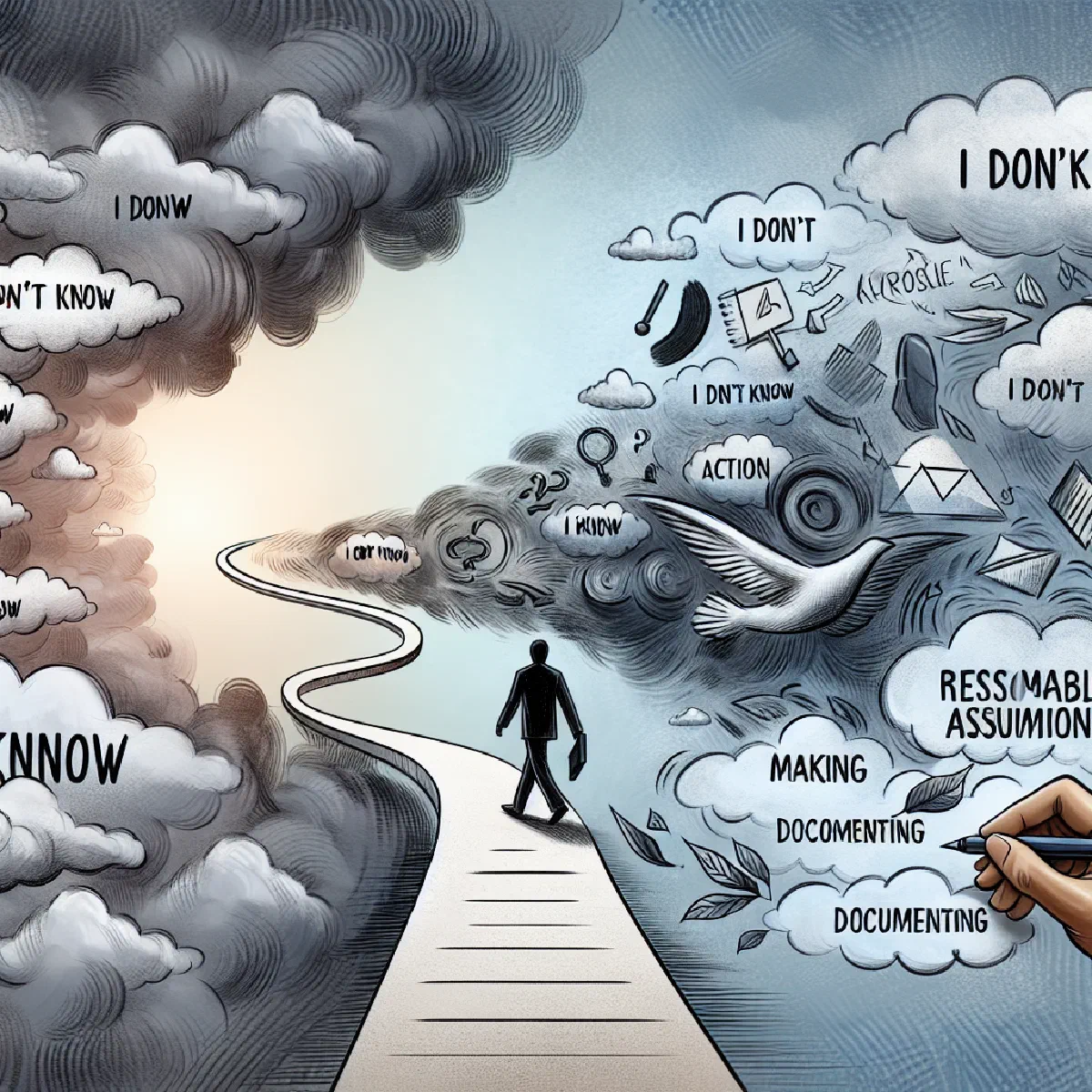
“I don’t know” often serves as a convenient excuse for inaction. It’s tempting to defer decisions when the information feels incomplete or uncertain. But in my experience, waiting for perfect information isn’t just impractical—it’s often detrimental. Progress depends on moving forward, even when all the answers aren’t clear.
That’s why I advocate for a different mindset: when faced with ambiguity, make a reasonable assumption, document it, and proceed. This approach doesn’t eliminate uncertainty, but it reframes it as a manageable challenge rather than a roadblock. By leaning into …
The article discusses the phenomenon of “accidental managers,” highlighting that a significant portion of the workforce—approximately one in four people—hold managerial roles without formal training in management. This lack of training is not merely a gap in professional development but has tangible repercussions, such as contributing to employee dissatisfaction and turnover. Research from the Chartered Management Institute indicates that one-third of employees attribute their decision to leave jobs to poor management, underscoring the critical impact effective leadership can have … read more >
Steve Jobs imparted crucial management wisdom through three key pieces of advice, pivotal in shaping effective business leadership. At the forefront was his unapologetic imposition of a ’no bozos’ policy, emphasizing the hiring of only exceptionally talented individuals who align with the organization’s innovative goals. Jobs underscored that the most effective managers were often those who neither sought nor aspired to the managerial role. Instead, they were driven by a profound passion for their work and an intrinsic motivation to excel, which naturally positioned them as … read more >
Certainly! A notable quote from the article is: “When we want to innovate, when we want to really, really innovate on interesting products, I have not seen an ability for us to do that when we’re not in-person.” This statement by AWS CEO Matt Garman encapsulates the central argument for the company’s return-to-office policy, highlighting the perceived necessity of physical presence for fostering innovation.
The challenges of Amazon’s return-to-office policy highlight significant issues with inadequate office space and employee dissatisfaction. This approach risks losing top talent, as seen in other tech giants like Apple and SpaceX. Poor communication during such transitions can severely impact morale and drive skilled workers to seek better opportunities. This piece from Bloomberg sheds light on the critical balance between corporate mandates and employee expectations.
A quote from the article captures the employee dissatisfaction stemming from the return-to-office (RTO) mandates: …
In a recent development, Amazon’s AWS CEO Matt Garman conveyed a stark message to employees opposing the company’s intensified in-office work policy, …