Bookmark: I’m not convinced ethical generative AI currently exists
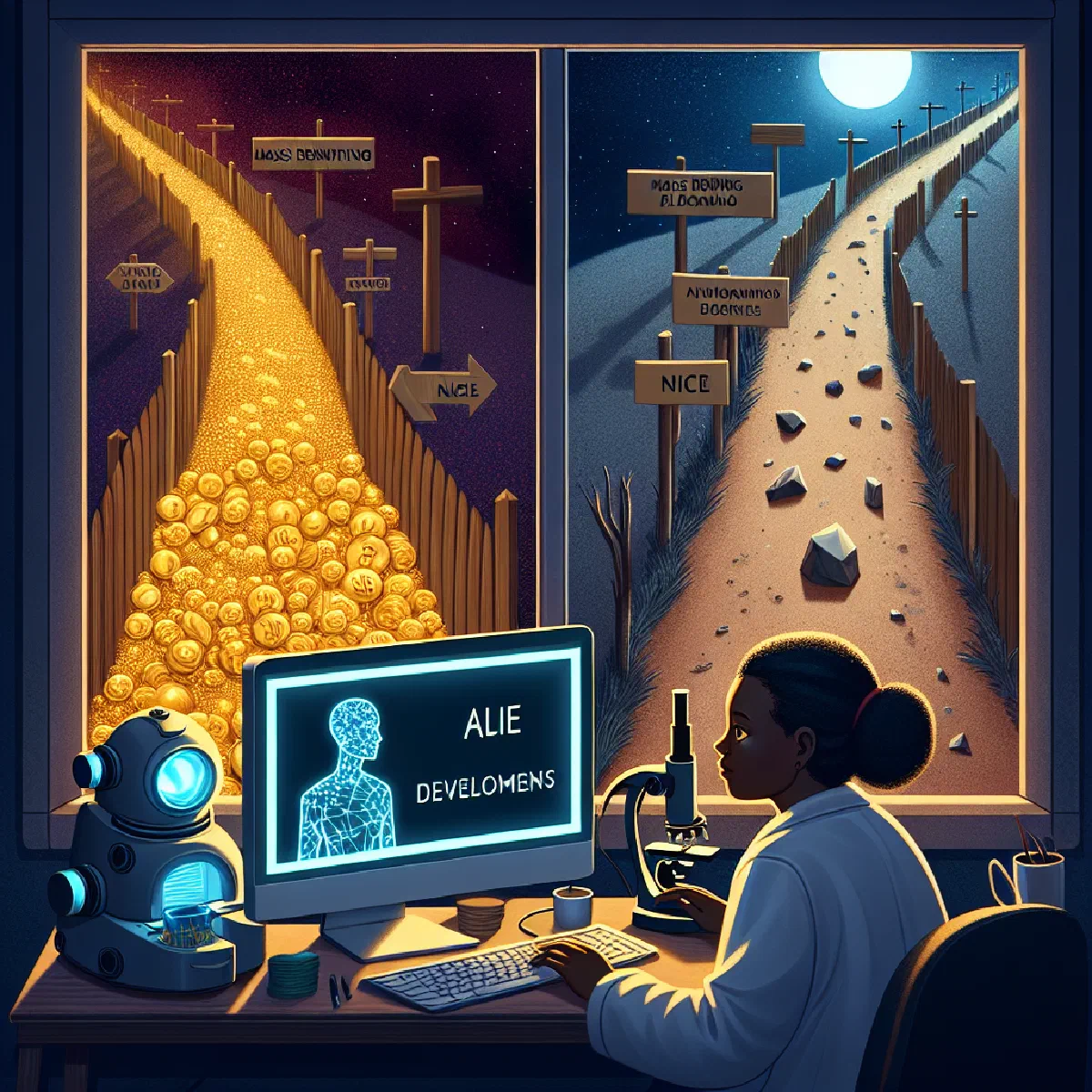
Explore the ethical challenges of generative AI, from data acquisition to environmental impact, and why true ethical solutions remain elusive.
“Some devs are working on approaches to fairly compensate people when their work is used to train AI models, but these projects remain fairly niche alternatives to the mainstream behemoths.” I’m Not Convinced Ethical Generative AI Currently Exists
The article explores the ethical dilemmas associated with generative AI, noting two main concerns: the opaque acquisition of vast datasets and the substantial environmental footprint of these technologies. The major players in the AI field often disregard the need for consent from content creators whose works fuel these AI models, arguing that the scale required would stifle innovation. Even with existing licensing, these agreements cover only a fraction of the necessary data. Although some developers aim to fairly compensate creators used in AI training, these efforts remain marginal compared to mainstream practices.
Furthermore, the energy demands of generative AI are significantly higher than non-generative technologies, exacerbating environmental concerns. While emerging models like DeepSeek offer some efficiency improvements, leading AI companies remain focused on rapid progress over ecological considerations. Moreover, reshaping AI to be ethical involves rethinking developer practices and user interactions rather than attempting to make AI inherently “wiser” or “ethical.” The challenge lies in the human elements—intentions, biases, and development ethics—that underlie AI creation and deployment.
Nobody takes you aside anymore
Print taught a generation when to stop. What we lose when the machines absorb the constraints that used to form us.
Your AI agents need a water cooler
Coordination is a property of the room, not the org chart. What that means when your coworkers are agents.
On the death of the author and the birth of the detector
Why worrying about AI authorship is lazier, and more prejudiced, than it looks.
The work of being available now
A book on AI, judgment, and staying human at work.
The practice of work in progress
Practical essays on how work actually gets done.
The Principle of Sufficient Alternatives
Rules for a healthy software niche/ecosystem
Bookmark: From proof of concept to production: Embracing systems thinking
Transform your AI strategy with a systems-thinking approach, ensuring seamless transition from proof of concept to impactful production deployment.
Article analysis: Lifting GenAI out of the trough of disillusionment
Unlock the true potential of GenAI by transforming business processes instead of just speeding them up. Discover innovative strategies for success.
Article analysis: AI revolution reshapes work and home, accelerates faster than any previous technology
Discover how generative AI is rapidly reshaping work and home life, achieving unprecedented adoption rates and impacting productivity across industries.