Article analysis: The elite college students who can’t read books
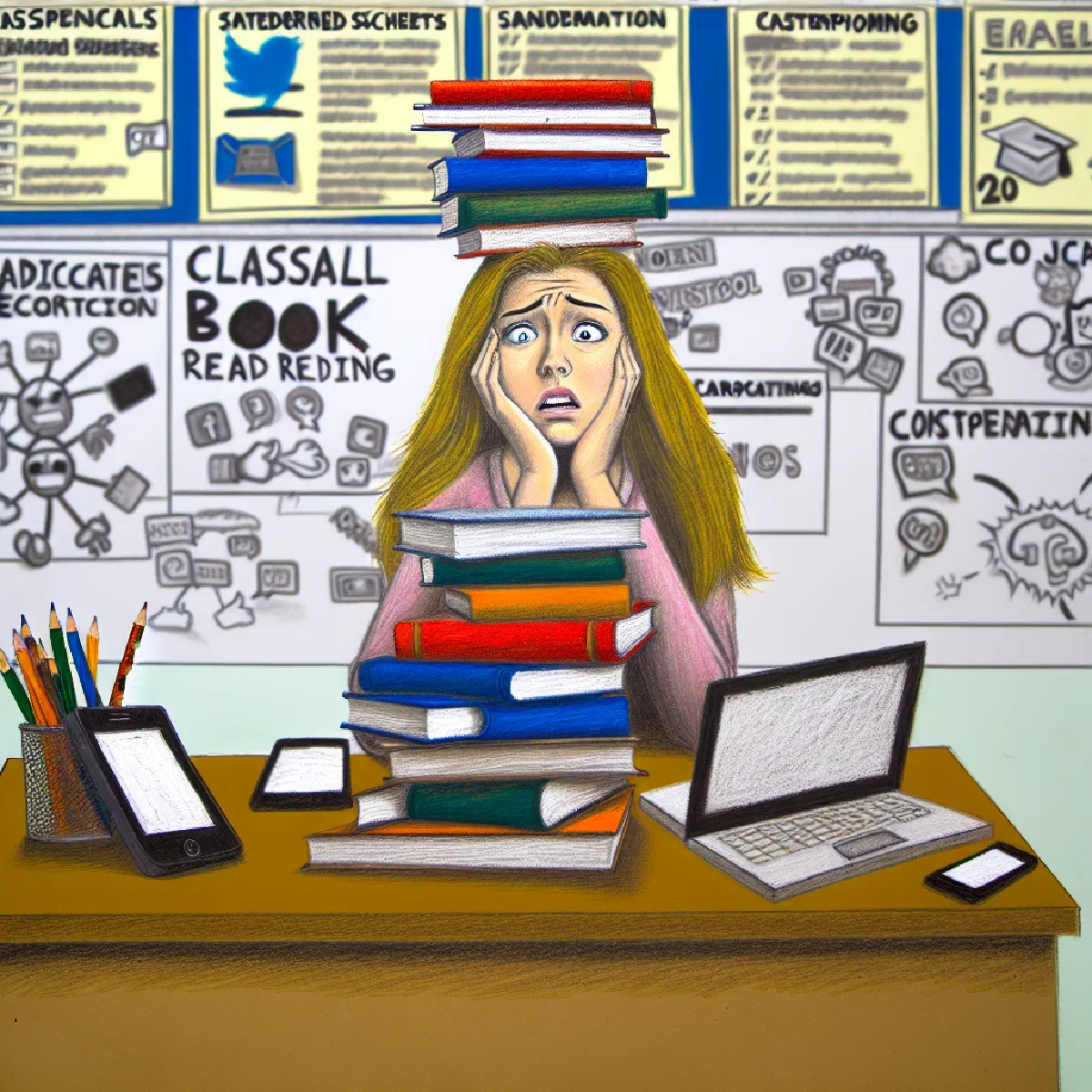
Explore the decline in reading skills among elite college students as distractions and educational reforms reshape their literary engagement and critical...
“A generation of students is reading fewer books. They might read more as they age—older adults are the most voracious readers—but the data are not encouraging.”
Summary
In “The Elite College Students Who Can’t Read Books,” the author delves into the troubling trend of elite college students increasingly struggling to read entire books, a problem that has become evident in recent years. Columbia University professor Nicholas Dames, along with other educators, has observed students overwhelmed by the reading requirements, tracing the issue back to high school education where students are rarely assigned whole books. This decline in reading skills is partly attributed to educational reforms like No Child Left Behind and Common Core, which emphasize short informational texts over longer literary works. Additionally, the rise of smartphones and digital distractions has further eroded students’ attention spans. As a result, professors nationwide, including those at prestigious institutions like Columbia and Princeton, have had to lower their reading expectations and modify their curriculums, often replacing longer texts like “The Iliad” or “Moby-Dick” with shorter works or excerpts. This reduction in extended reading impacts students’ ability to engage deeply with texts and develop critical thinking and empathy, potentially jeopardizing the literary and cognitive benefits associated with sustained reading. The article underscores a cultural shift where students prioritize career-oriented studies and extracurricular activities over humanities, leading to a diminished emphasis on literary education and a generation less inclined to engage with books.
Analysis
The article effectively highlights a critical issue of declining reading skills among elite college students, supported by anecdotes from seasoned professors like Nicholas Dames and empirical data on the educational trend towards informational texts. This aligns with concerns about cognitive development and the impact of digital distractions, which resonate with themes of productivity and workplace efficiency. The narrative is compelling, particularly in its emphasis on the diminished capacity for deep reading and critical thinking, relevant to discussions on lifelong learning and professional development in a tech-driven world.
However, the article could benefit from a more robust examination of the underlying causes. For example, while it criticizes educational reforms like No Child Left Behind and Common Core, it does not provide sufficient empirical data to substantiate the direct impact of these policies on students’ long-form reading capabilities. Additionally, the argument that digital distractions are to blame, though plausible, lacks detailed exploration of how technology could be leveraged to improve reading habits—a perspective that aligns with the notion of AI and technology as augmentation tools rather than mere distractors. The article also does not address potential strategies for educators to integrate technology in a way that promotes deeper engagement with texts, an area ripe for innovation and future-forward thinking. Ultimately, while the article outlines a pressing issue, it falls short in proposing actionable solutions or exploring the nuances of how technology could actually be part of the remedy.
Nobody takes you aside anymore
Print taught a generation when to stop. What we lose when the machines absorb the constraints that used to form us.
Your AI agents need a water cooler
Coordination is a property of the room, not the org chart. What that means when your coworkers are agents.
On the death of the author and the birth of the detector
Why worrying about AI authorship is lazier, and more prejudiced, than it looks.
The work of being available now
A book on AI, judgment, and staying human at work.
The practice of work in progress
Practical essays on how work actually gets done.
The Principle of Sufficient Alternatives
Rules for a healthy software niche/ecosystem
Article analysis: The rise of the micro-credentials movement: Validating skills beyond traditional degrees
Explore how micro-credentials bridge skill gaps, enhance hiring, and offer affordable, flexible learning options for today's workforce demands.
Article analysis: The future of corporate learning and employee engagement: Why traditional training is dead
Explore how AI and immersive technologies are reshaping corporate learning, making traditional training methods obsolete and enhancing employee engagement.
Article analysis: Report: Employers still don’t understand or trust education badges
Employers struggle to interpret digital education badges, highlighting the urgent need for standardization to enhance their credibility in hiring processes.