Article analysis: Mastering the human-AI balance in marketing: Insights and strategies
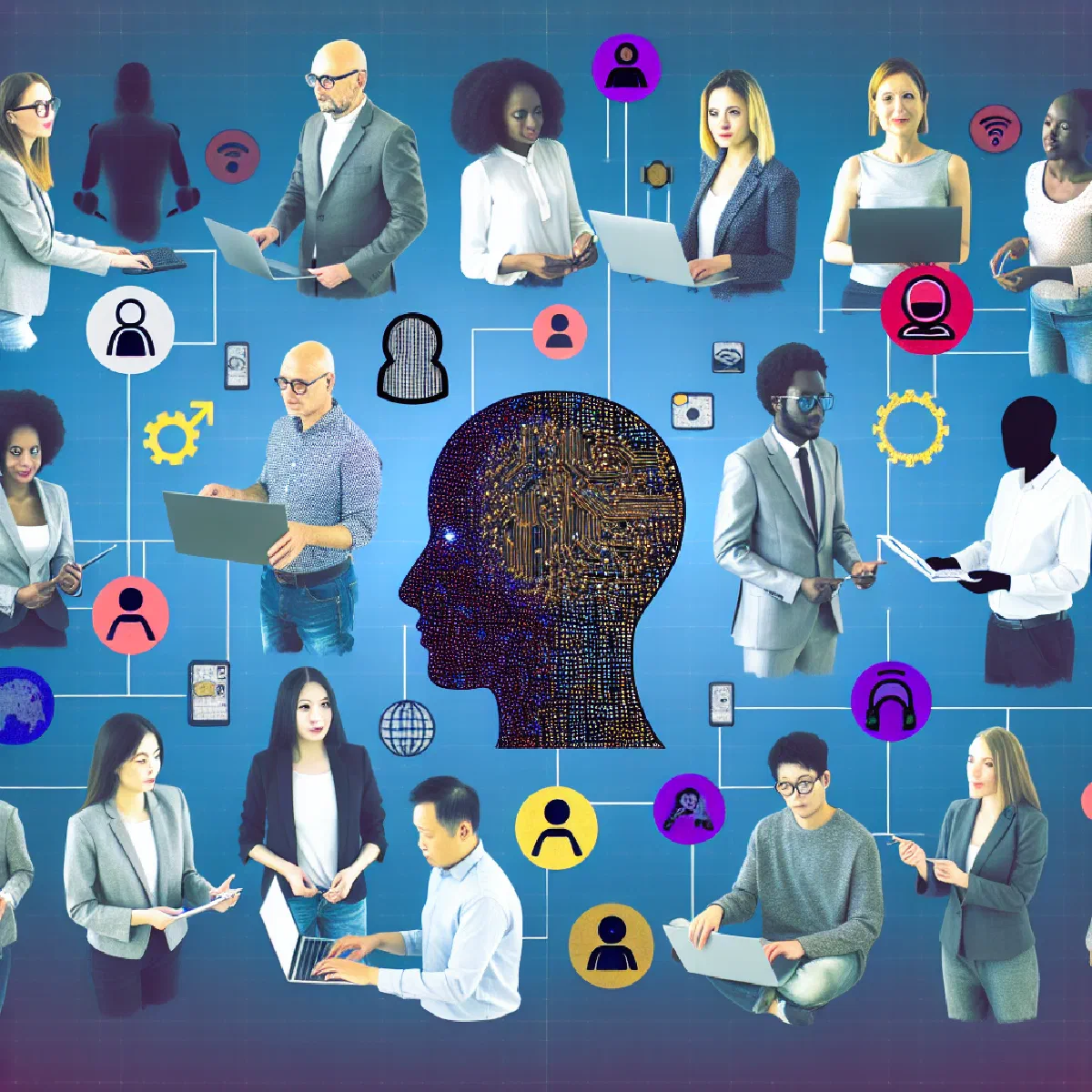
Master the art of blending AI with human creativity in marketing to drive deeper connections and enhance your team's effectiveness.
A good quote from the article is:
“The true competitive advantage now lies in how effectively a marketing organization can blend AI capabilities with uniquely human skills.”
Embracing the human-ready marketing organization
The marketing landscape is undergoing a seismic shift as artificial intelligence (AI) becomes deeply embedded in digital strategies. The article “Combining AI and Human Expertise in Marketing” addresses this transformation, arguing for a harmonious integration of AI’s efficiency with human creativity and empathy.
The AI integration paradox
While AI adoption in marketing is essential for competitiveness, it’s no longer a standalone differentiator. The true edge lies in blending AI capabilities with human skills. This synergy is where marketing teams can enhance strengths and mitigate weaknesses.
Rising value of human touch
Interestingly, as automation proliferates, the human element becomes more valuable. Personalized, emotionally resonant messages crafted by humans often outshine mass-generated content by AI, forging deeper connections with decision-makers and fostering trust.
Defining human-ready marketing organizations
Human-Ready Marketing Organizations epitomize the strategic integration of AI and human capabilities. These organizations design processes to maximize value by leveraging AI for efficiency and scalability, while humans drive creativity, strategic thinking, and relationship-building.
Implementing the human-ai partnership
The article suggests actionable steps for creating a Human-Ready Marketing Organization. Key areas include refining roles, upskilling staff in AI, and fostering a collaborative culture. Effective partnerships see AI handling data-driven tasks while humans focus on activities requiring emotional intelligence and innovation.
Value and innovation principle
The article introduces the “Value and Innovation Principle,” advocating for human focus on high-value tasks while delegating routine activities to AI. This approach ensures that creativity and emotional intelligence are applied where they can create the most impact.
Cautious optimism
While the article is forward-thinking, it rightly notes challenges such as skill gaps and ethical concerns. However, it maintains a balanced view, emphasizing the indispensable roles humans play in areas that AI cannot replicate, such as emotional engagement and strategic direction.
In sum, marketing teams that master the delicate balance between AI and human capabilities will not only enhance efficiency but also create more meaningful, human-centric marketing strategies. This innovative approach offers a roadmap for thriving in the digital age through enriched collaboration and smarter, value-driven marketing endeavors.
Why customer tools are organized wrong
This article reveals a fundamental flaw in how customer support tools are designed—organizing by interaction type instead of by customer—and explains why this fragmentation wastes time and obscures the full picture you need to help users effectively.
Infrastructure shapes thought
The tools you build determine what kinds of thinking become possible. On infrastructure, friction, and building deliberately for thought rather than just throughput.
Server-side dashboard architecture: Why moving data fetching off the browser changes everything
How choosing server-side rendering solved security, CORS, and credential management problems I didn't know I had.
The work of being available now
A book on AI, judgment, and staying human at work.
The practice of work in progress
Practical essays on how work actually gets done.
AI agents need org charts, not pipelines
Every agent framework organizes around tasks. The agencies that actually work organize around competencies. The AI community is about to rediscover this the hard way.
The delegation problem nobody talks about
When your automated systems start finding real bugs instead of formatting issues, delegation has crossed a line most managers never see coming.
What your systems won't tell you
The most dangerous gap in any organization isn't between what you know and what you don't. It's between what your systems know and what they're willing to say.
Article analysis: Gusto’s head of technology says hiring an army of specialists is the wrong approach to AI
Gusto's tech head argues for leveraging existing staff over hiring specialists to enhance AI development, emphasizing customer insights for better tools.
Article analysis: 3 AI competencies you need now for the future
Master essential AI competencies to thrive in an evolving landscape and ensure your career remains irreplaceable in the age of artificial intelligence.
Article analysis: Computer use (beta)
Explore the capabilities and limitations of Claude 3.5 Sonnet's computer use features, and learn how to optimize performance effectively.