Ai’’s dual role: Redefining Canadian workforce skills and enhancing human potential
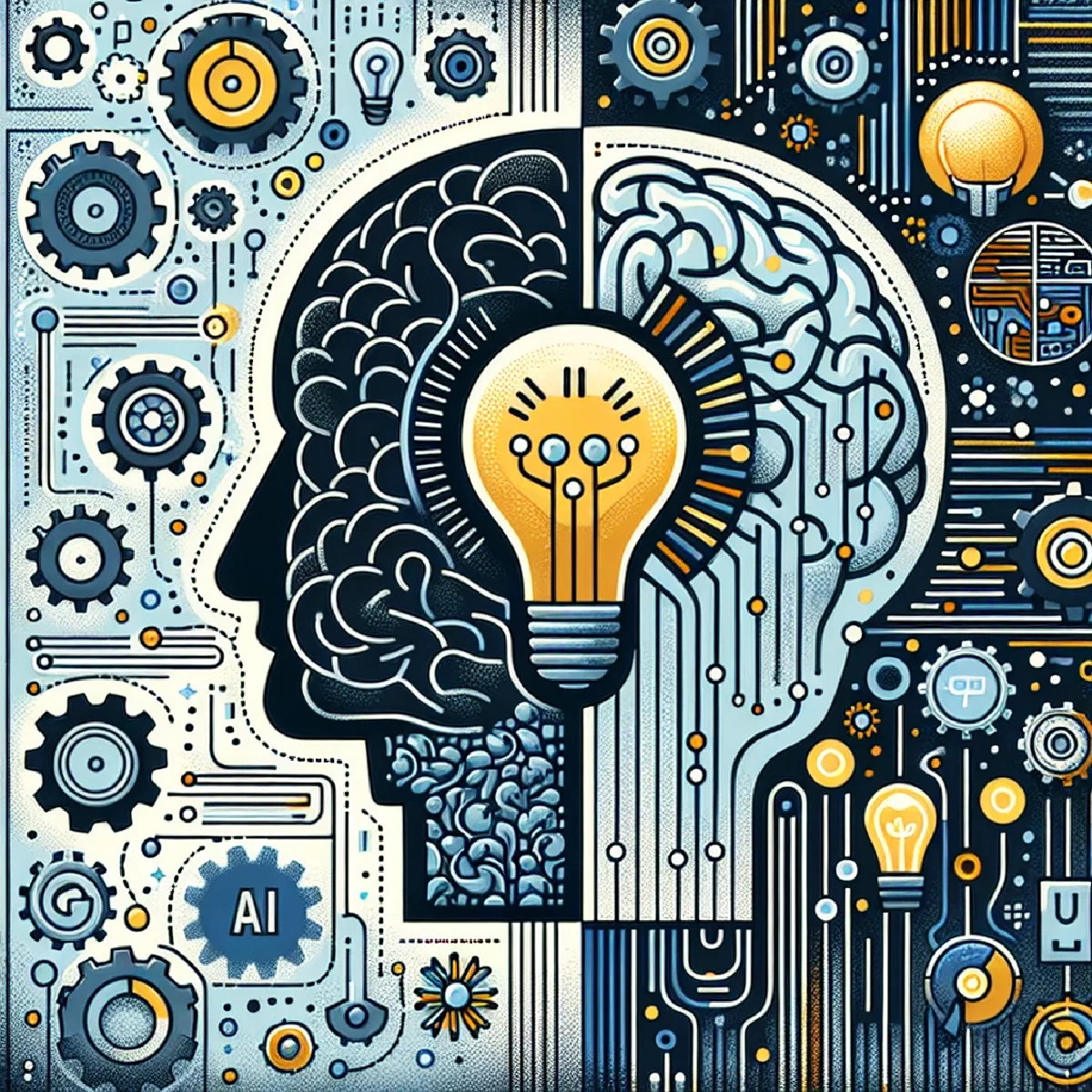
Discover how AI reshapes Canada's workforce by enhancing human skills, driving innovation, and emphasizing the need for continuous reskilling.
“The transformative power of AI in the workforce necessitates a shift toward roles that enhance human capabilities rather than simply automate tasks.” AI’s Dual Role: Redefining Canadian Workforce Skills and Enhancing Human Potential
The document explores the concept of “Right Brain, Left Brain, AI Brain,” focusing on the ways artificial intelligence (AI) is reshaping the Canadian workforce, particularly in terms of job dynamics and demanded skills as of January 2025. It delves into how AI impacts both cognitive processes typically associated with the right and left brain, suggesting that AI integration requires a balance of analytical and creative tasks. The transformative power of AI in the workforce necessitates a shift toward roles that enhance human capabilities rather than simply automate tasks. This evolution implies a growing need for workers who can adapt to new technologies and leverage AI tools to enhance productivity and creativity. Moreover, the document highlights the critical importance of reskilling and continuous education for Canadian workers to remain relevant in a rapidly changing employment landscape. As AI continues to evolve, it both challenges traditional roles and offers unprecedented opportunities for innovation and efficiency in various industries
Why customer tools are organized wrong
This article reveals a fundamental flaw in how customer support tools are designed—organizing by interaction type instead of by customer—and explains why this fragmentation wastes time and obscures the full picture you need to help users effectively.
Infrastructure shapes thought
The tools you build determine what kinds of thinking become possible. On infrastructure, friction, and building deliberately for thought rather than just throughput.
Server-side dashboard architecture: Why moving data fetching off the browser changes everything
How choosing server-side rendering solved security, CORS, and credential management problems I didn't know I had.
The work of being available now
A book on AI, judgment, and staying human at work.
The practice of work in progress
Practical essays on how work actually gets done.
The product changed its mind
A product pivoted its entire philosophy mid-session — from 'here's your list' to 'here's your next thing.' The code shipped in the same conversation as the idea. That's not iteration. That's something else.
Your project management tool was made for a non-human (AI) factory, not for you
Every project or task management tool on the market descends from Frederick Taylor's factory floor. The assumptions were wrong then. They're catastrophic in the Age of AI.
The last mile is all the miles
Building the product is the fun part. Deploying it, configuring auth, pasting email templates into dashboards, rotating leaked API keys — that's where the work actually lives.
AI and the Canadian workforce: A new era of jobs and skill development
Explore how AI reshapes jobs and skills in Canada, driving workforce evolution and new opportunities for growth and development.
AI didn’t deskill us, we were already deskilled
This article challenges the narrative that AI is deskilling workers, instead highlighting how many jobs were already mechanical. It offers a thought-provoking perspective on how AI could be an opportunity to reclaim and enhance human skills.
Redefining leadership: Embracing human judgment amid AI disruption
This article offers a critical perspective on how AI is reshaping the job market and challenges leaders to focus on uniquely human skills like judgment and responsibility, providing valuable insights for anyone interested in the future of work and leadership.